Types of Wooden Mirrors
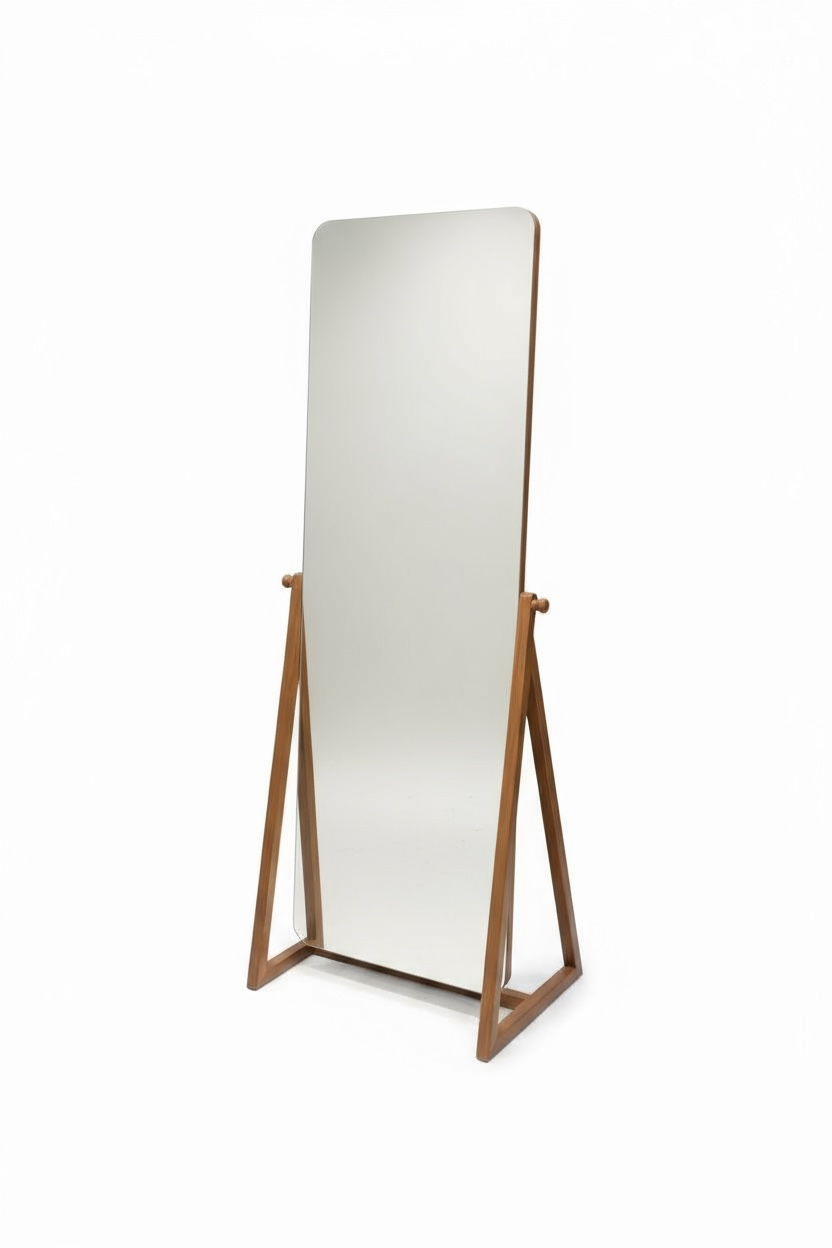
Teak Wood Mirrors
Teak Wood Mirrors combine the natural character of teak with reflective glass. Teak can introduce warmth and a substantial visual presence, making it suitable for both contemporary and more traditional interiors.
Mirrorwalla’s collection includes handcrafted teak designs as well as teak-veneered mirrors with melamine finishes, depending on the individual model.
Oak Wood Mirrors
Oak Wood Mirrors offer a lighter, more contemporary interpretation of wooden mirror design. Natural or finished oak can work especially well with modern, Scandinavian-inspired and neutral interiors.
Some Mirrorwalla oak designs combine glass with oak or oak-veneered finishes, including round and LED formats.
Round Wooden Mirrors
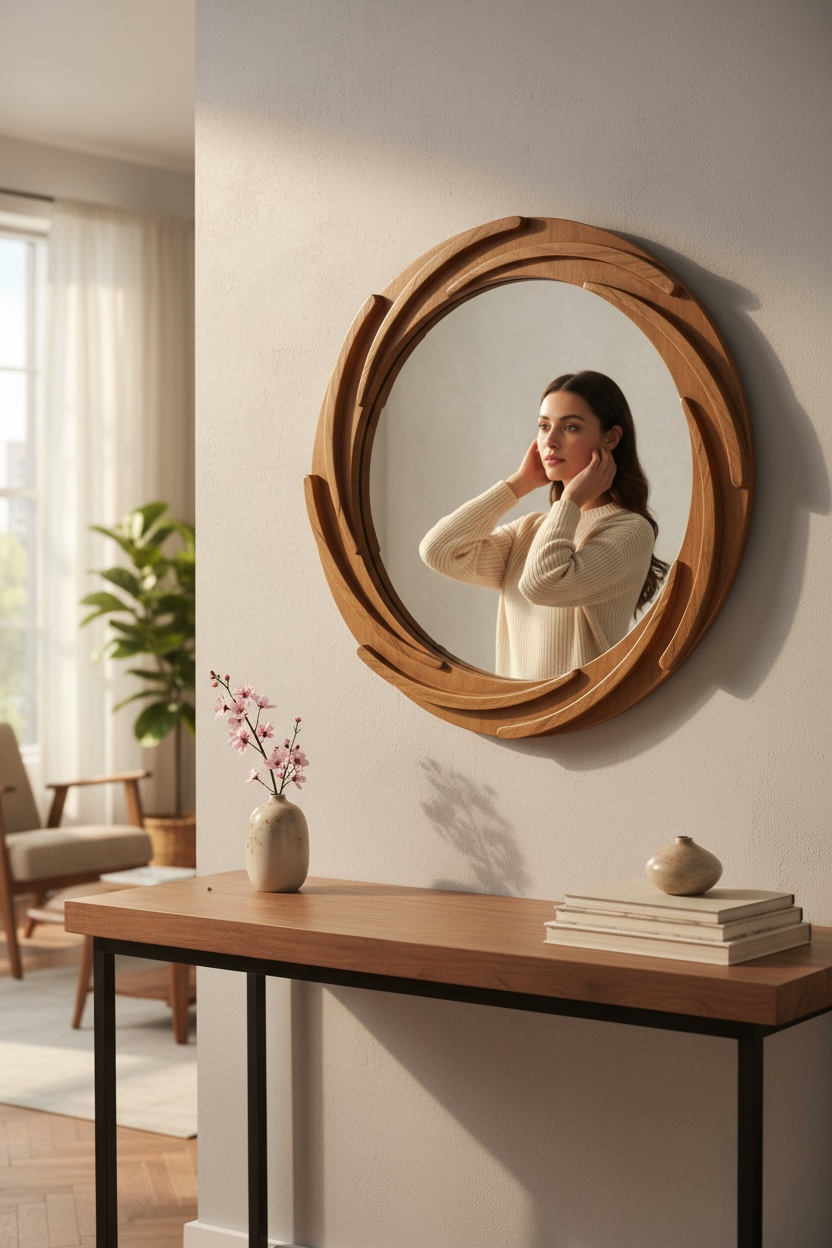
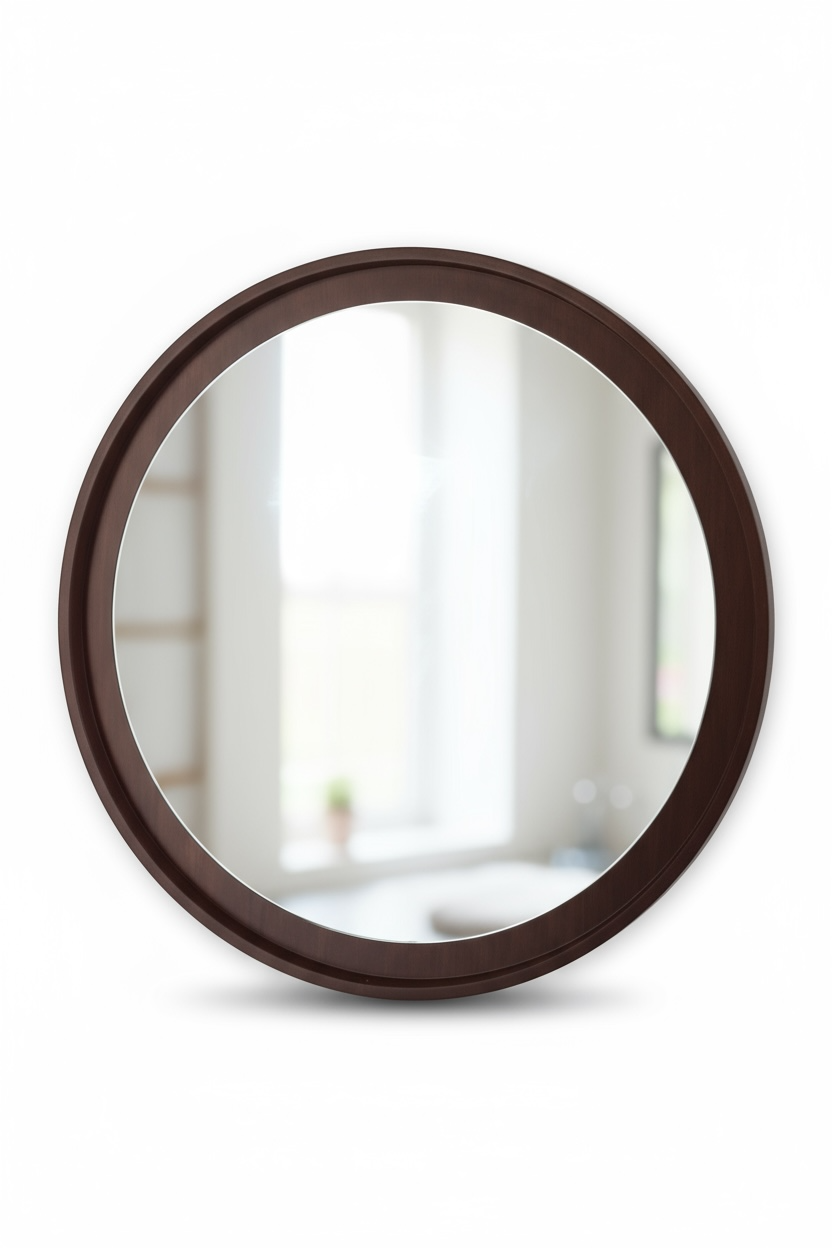
Round Wooden Mirrors soften the straight lines commonly found in furniture and architecture. They are well suited to dressing tables, console walls, bedrooms, bathrooms where appropriate and smaller accent areas.
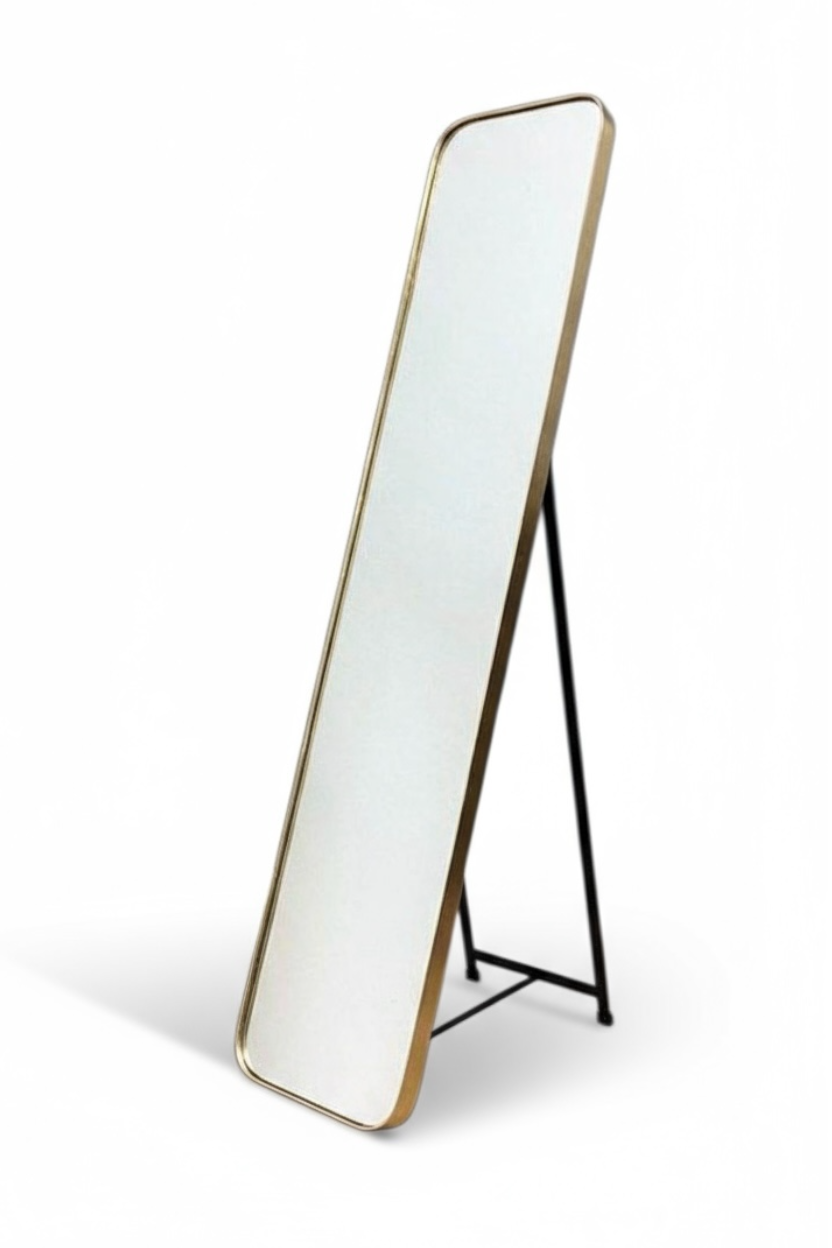
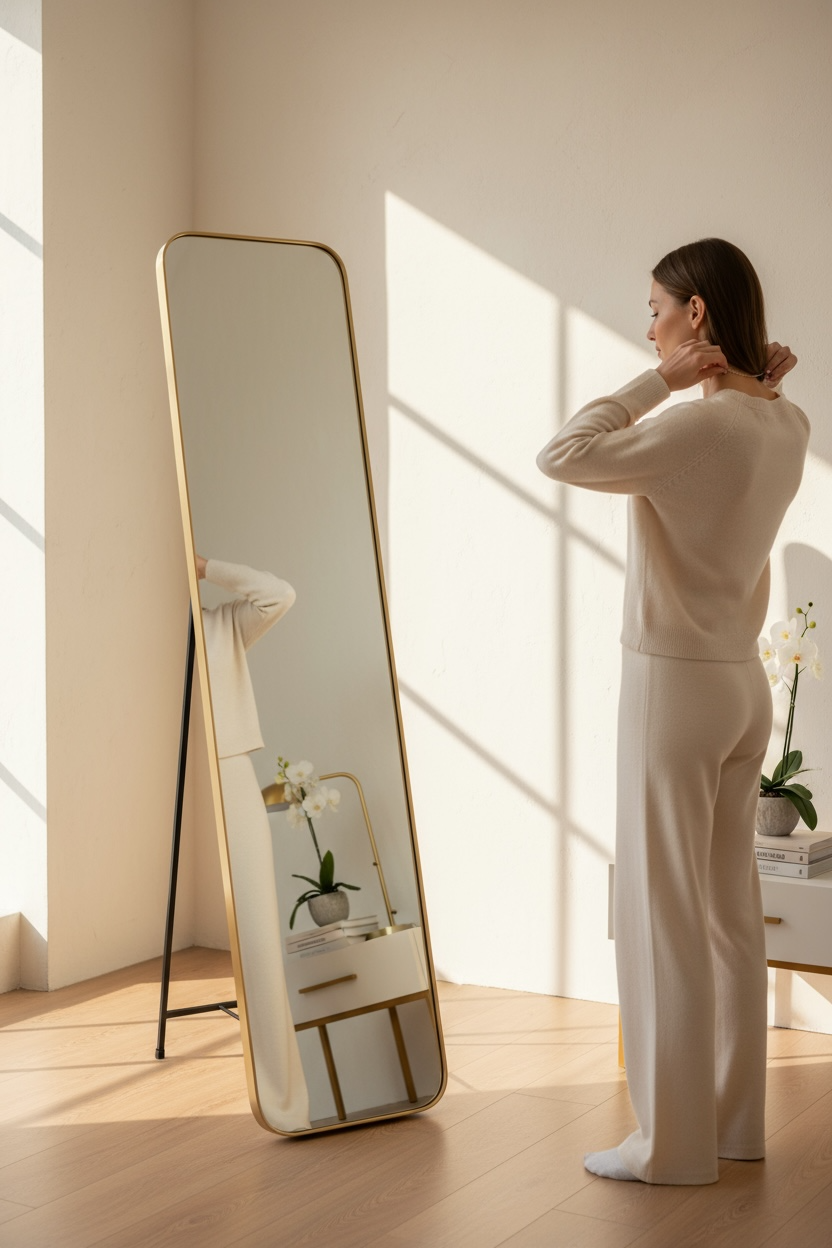
Full-Length Wooden Mirrors
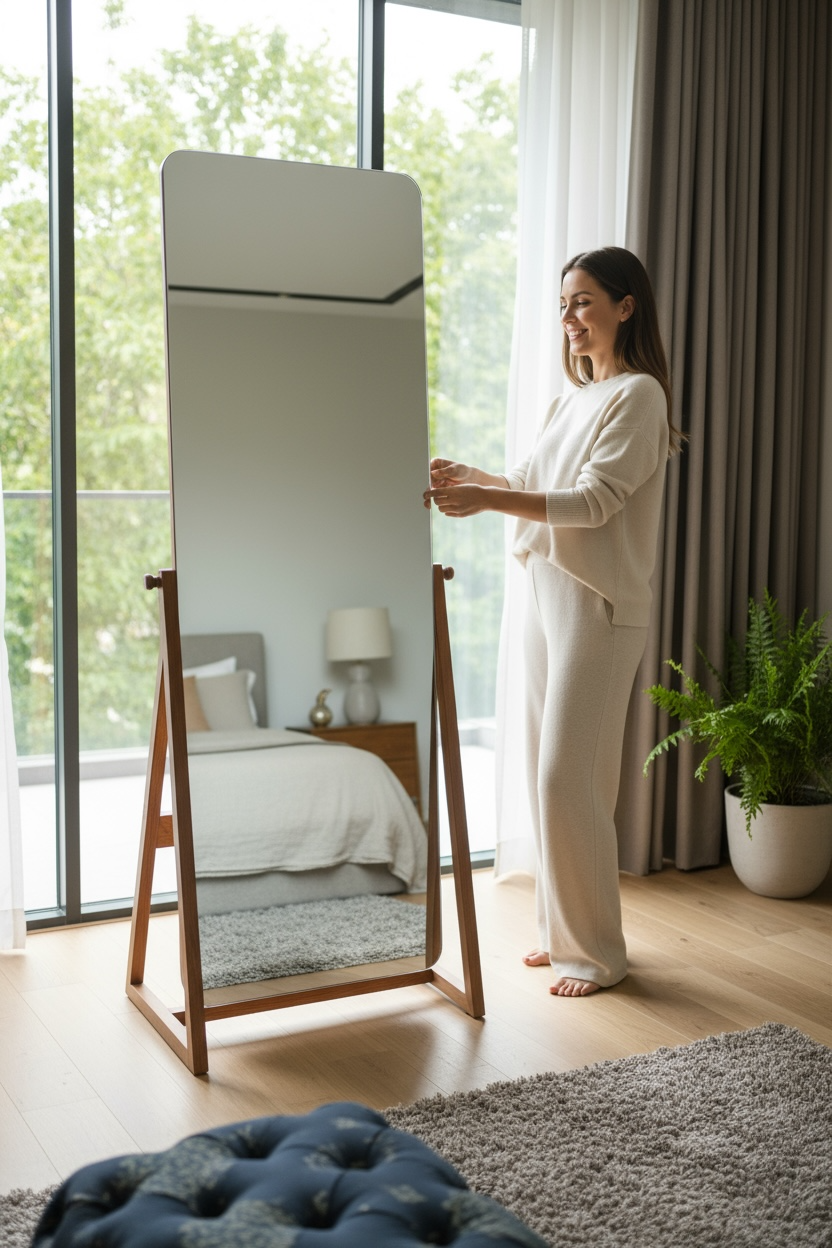
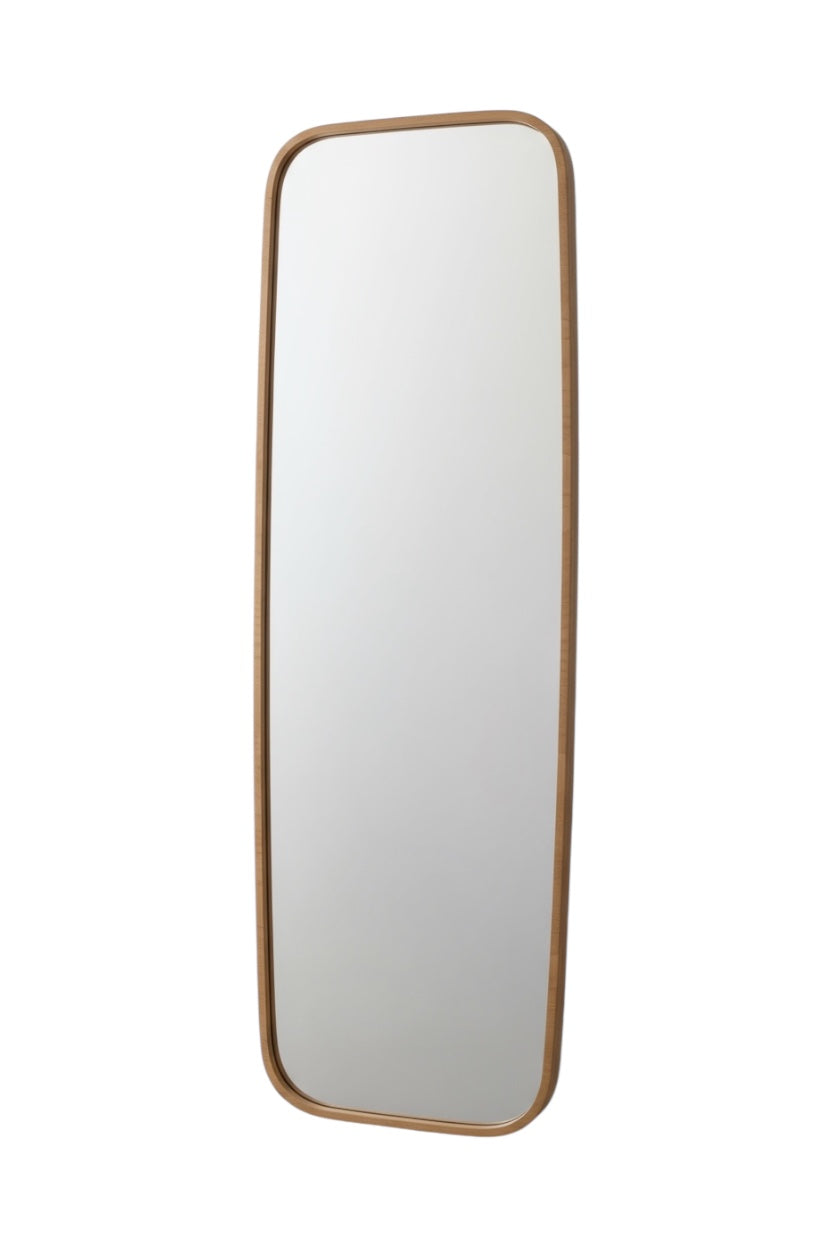
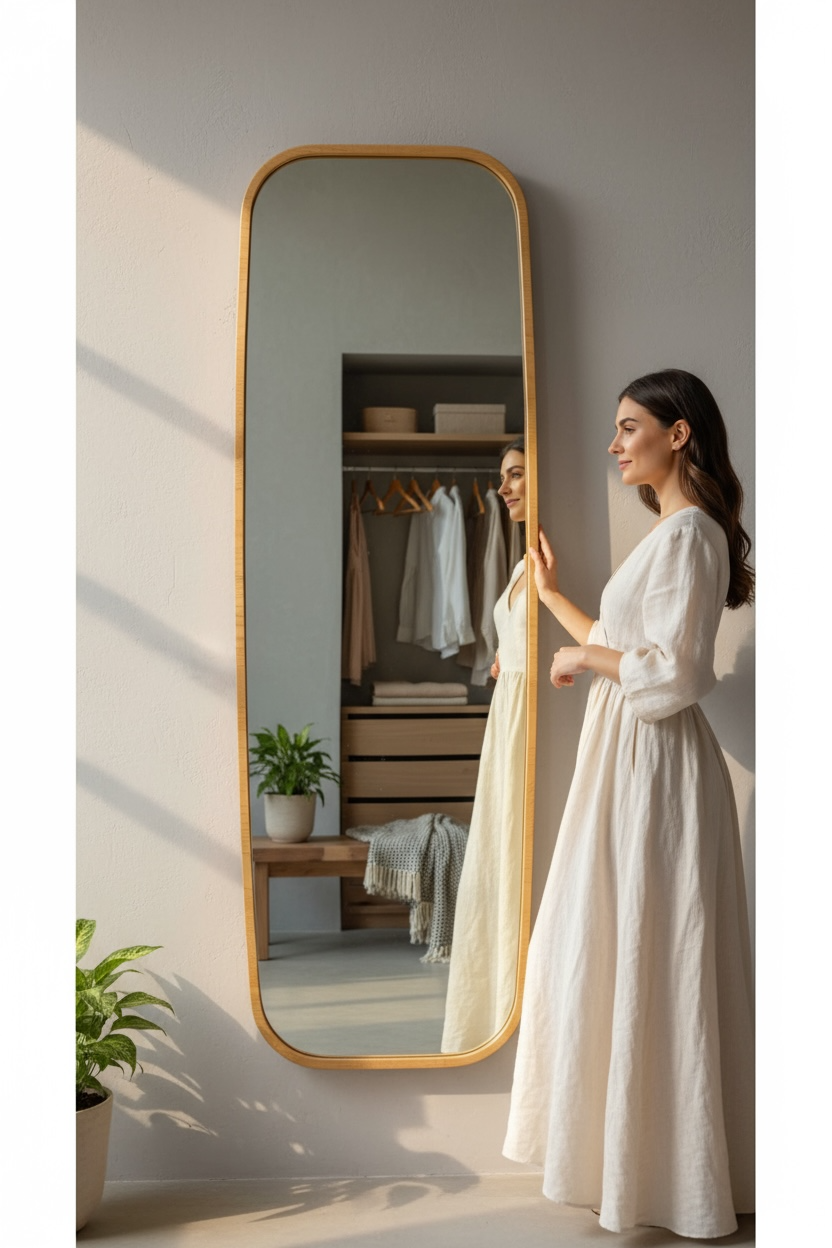
Full-Length Wooden Mirrors provide head-to-toe reflection while giving the frame a strong architectural presence. They can work beside wardrobes, in dressing rooms, bedrooms and spacious entry areas.
Decorative Wooden Mirrors
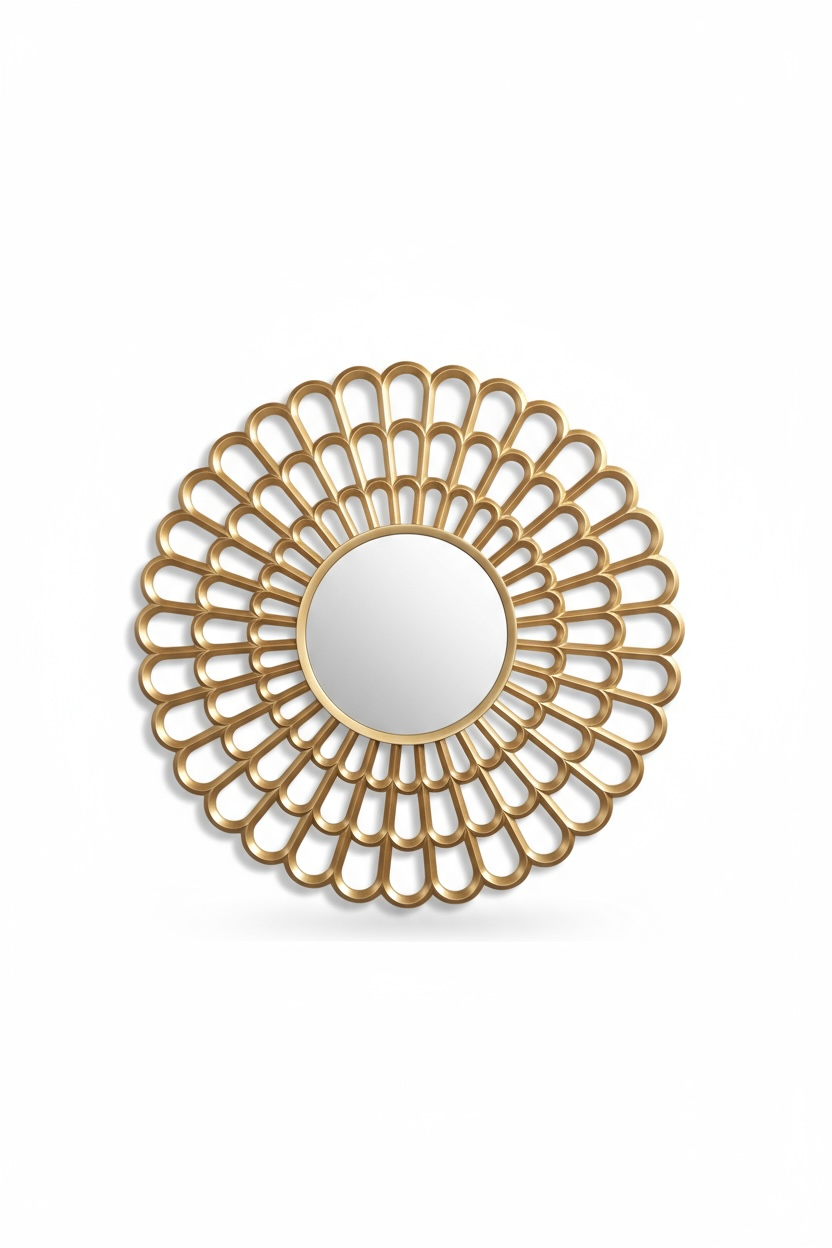
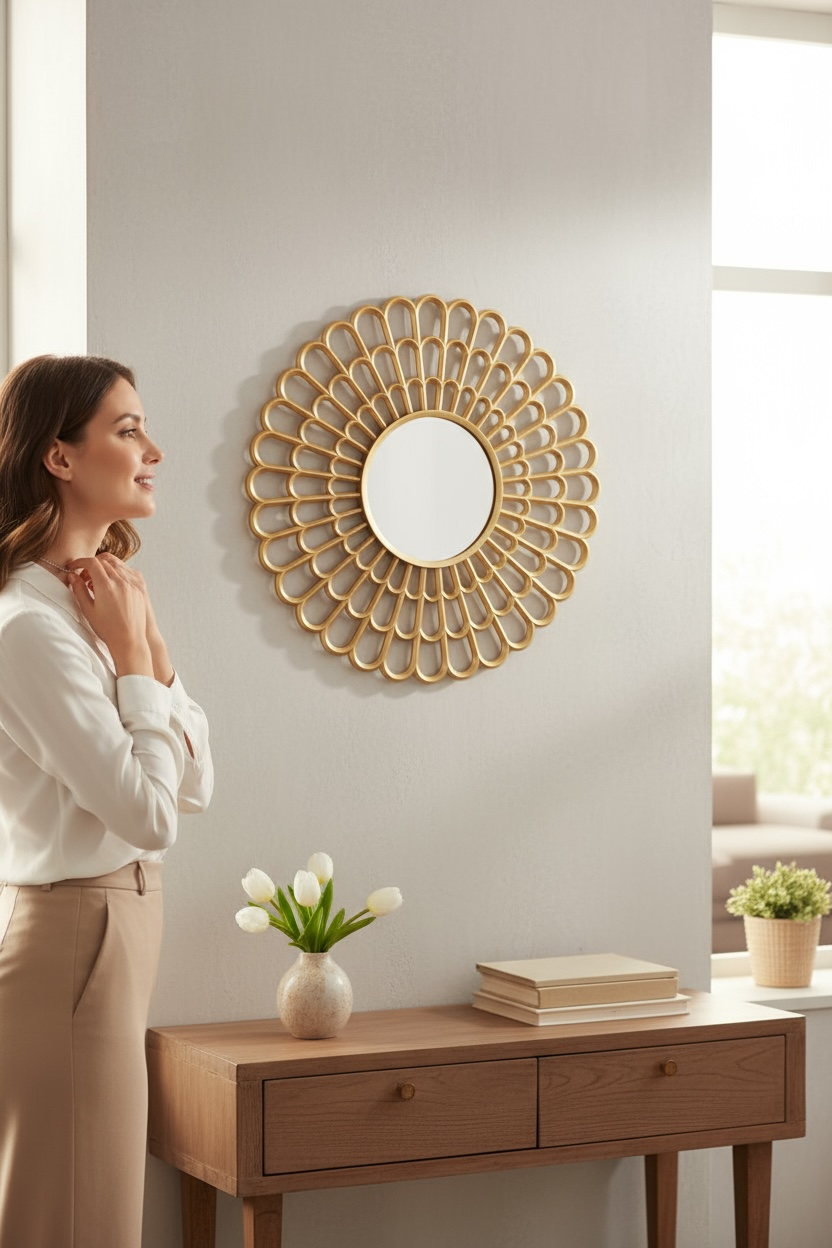
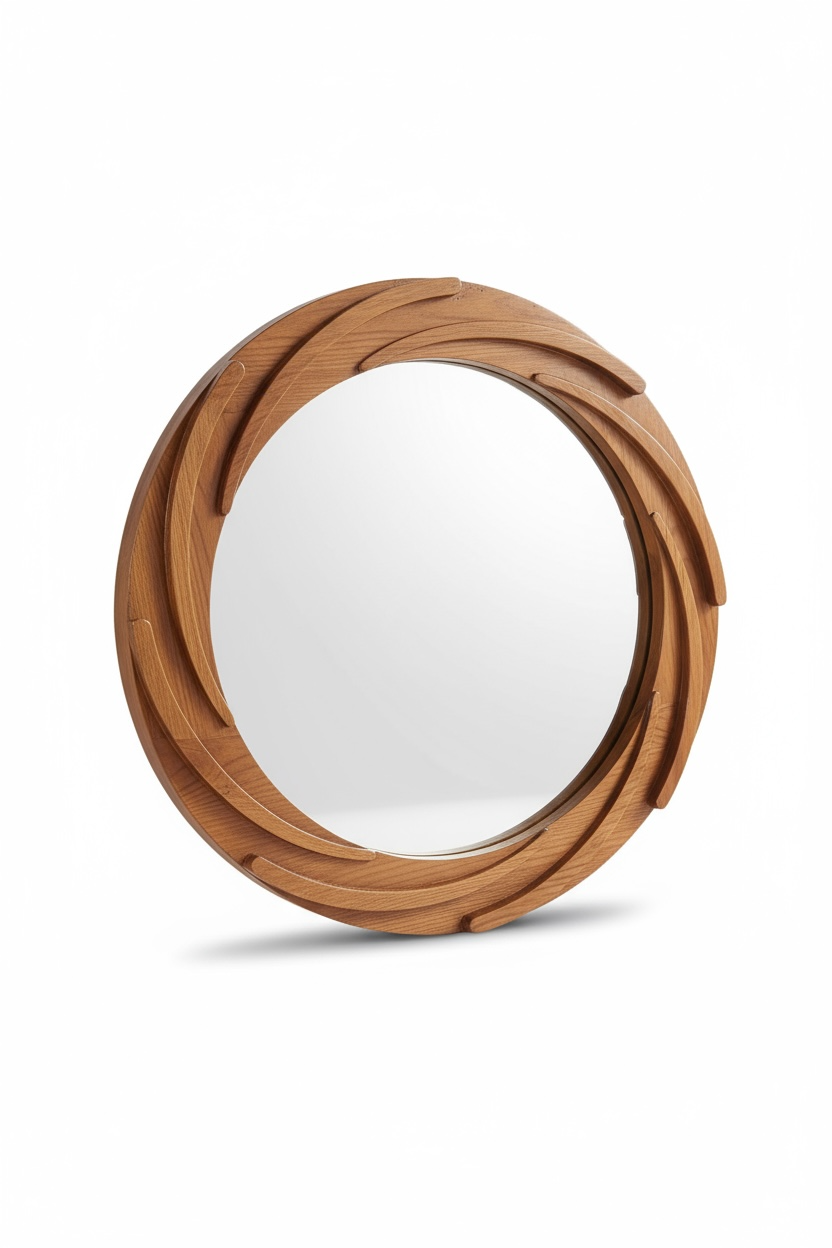
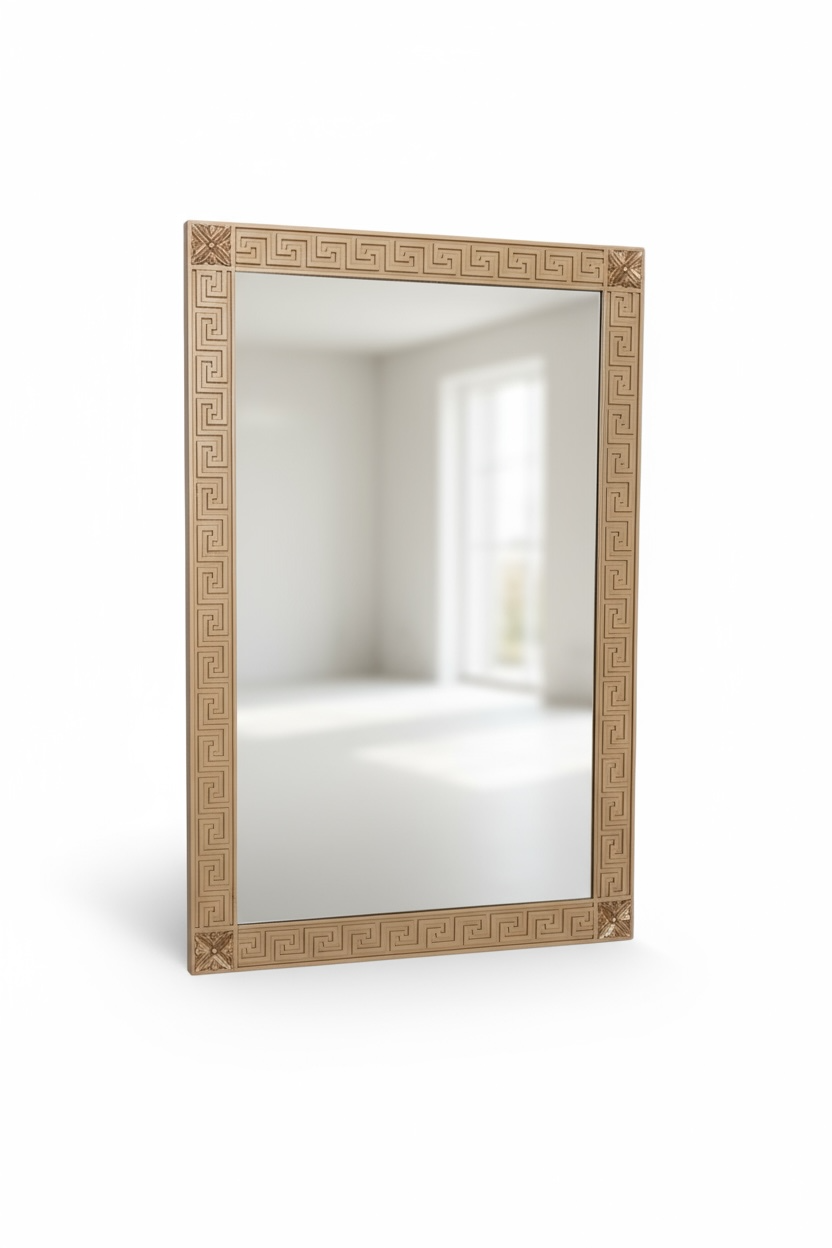
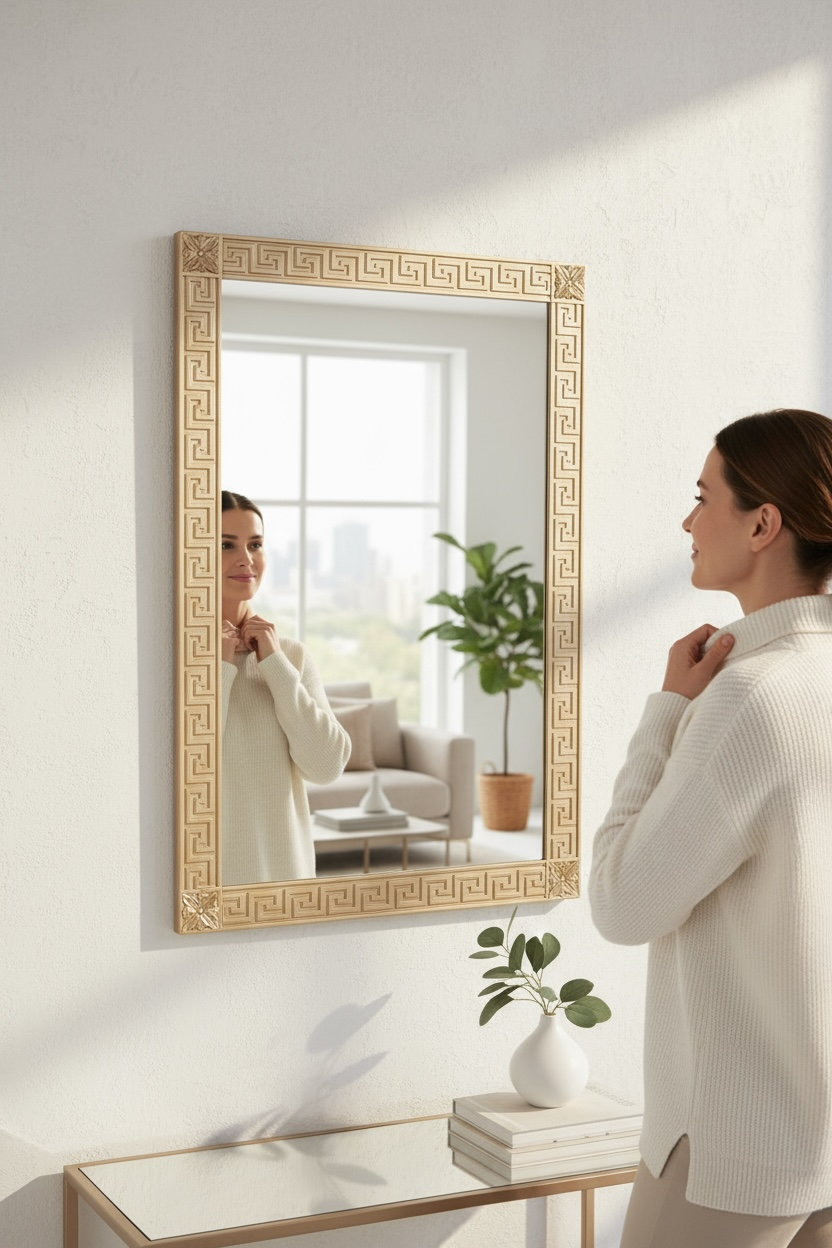
Decorative Wooden Mirrors place greater emphasis on the frame, shape and craftsmanship. Carved, layered, geometric and sculptural designs can function as wall décor as well as practical mirrors.
Wooden LED Mirrors
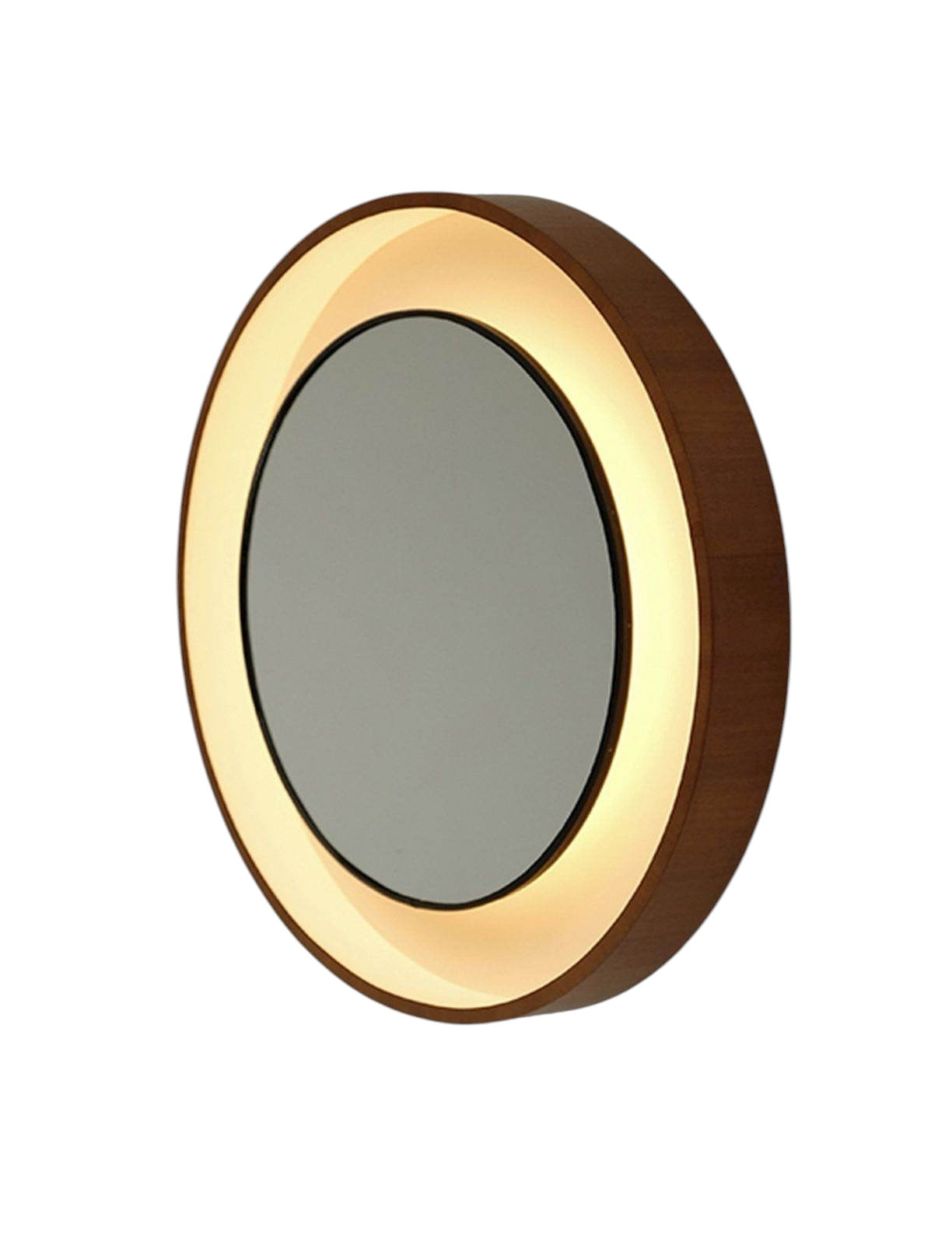
Wooden LED Mirrors combine the warmth of a wooden or wood-finished frame with integrated illumination. They can be particularly useful in dressing areas, bathrooms where the product is suitable, and contemporary bedrooms.
For example, Mirrorwalla’s Amazing OD-LED Mirror uses an oak veneered finish with integrated warm-white LED lighting.
Organic-Shaped Wooden Mirrors
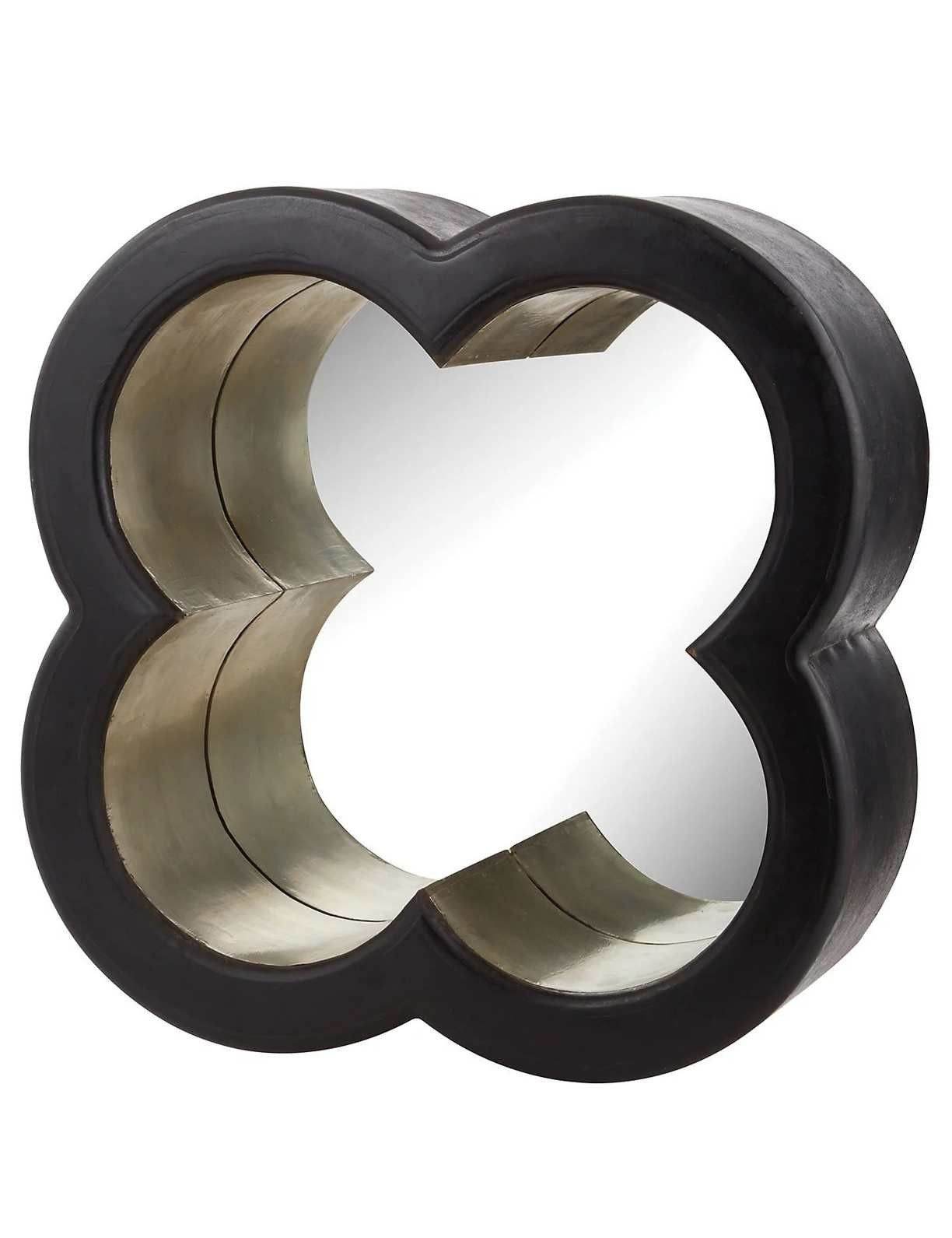
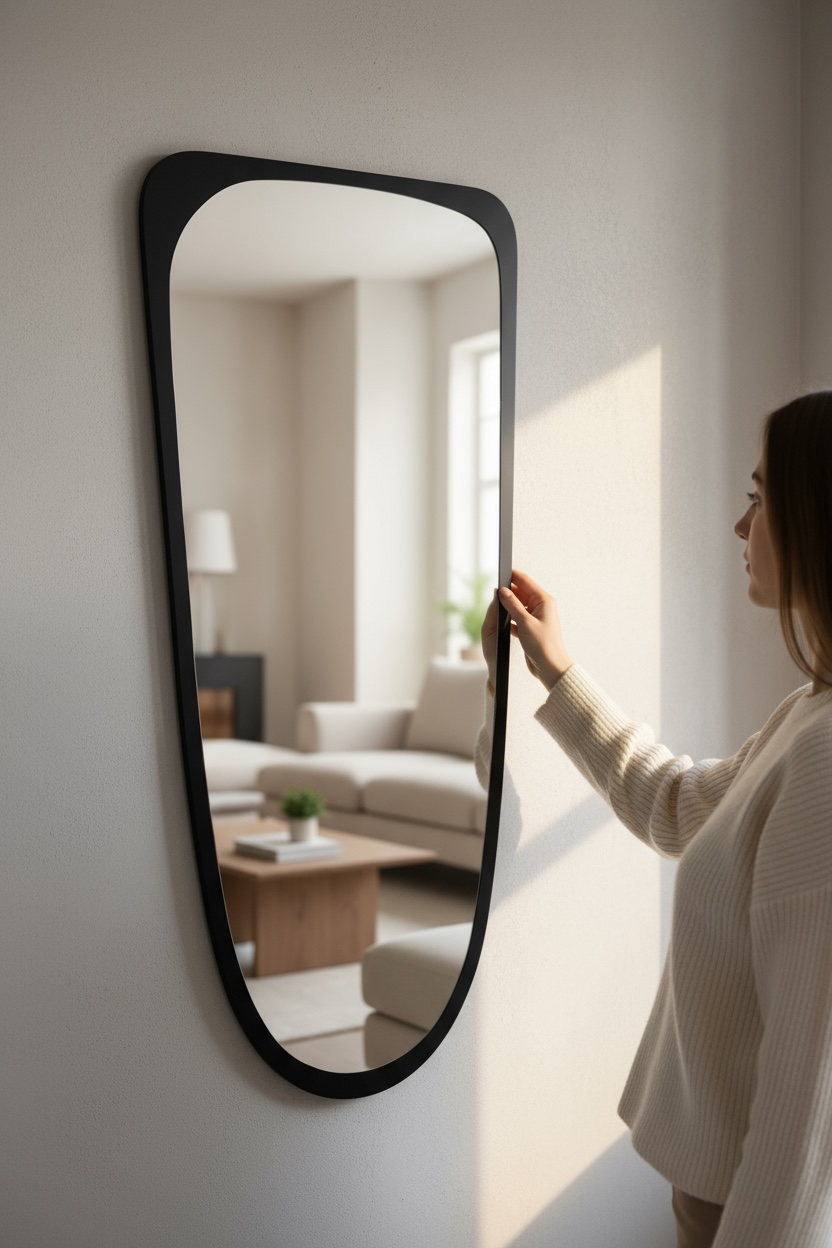
Organic Wooden Mirrors use softer, irregular or naturally inspired silhouettes rather than conventional rectangles and circles. These forms can introduce movement and visual softness into contemporary interiors.
Wooden Dressing Table Mirrors
Compact wooden dressing mirrors can provide practical reflection while complementing the material and finish of a dressing table or vanity. Foldable and tabletop-oriented designs can be useful where flexibility is important.
How to Choose the Right Wooden Mirror
Consider the Purpose
Start by deciding whether the mirror is primarily decorative, functional or intended to perform both roles.
For dressing, a full-length mirror may be more appropriate. For a console, a decorative round or geometric mirror can create a focal point. For a vanity or bathroom, consider a size and format that provides clear reflection without overwhelming the surrounding space.
Choose the Right Wood Finish
The wood finish should relate to the existing interior palette. Natural oak can complement lighter contemporary interiors, while teak and darker wood finishes can create greater warmth and visual weight.
Measure the Available Wall
Before selecting a mirror, measure the available wall width and height. Consider not only the glass but also the thickness and visual presence of the wooden frame.
A large wooden mirror can anchor a broad wall, while a smaller design may work better above a compact console or dressing table.
Select the Appropriate Shape
Round wooden mirrors create a softer appearance, while rectangular designs provide structure. Organic and sculptural shapes can create a stronger contemporary statement.
Consider Full-Length or Wall-Mounted Placement
If the mirror is intended for dressing, consider whether you need complete-body reflection. For decorative applications, wall-mounted formats can provide greater flexibility in relation to furniture and wall composition.
Match the Mirror With Existing Furniture
A wooden mirror does not need to exactly match every wooden element in a room. Instead, consider complementary tones, textures and proportions so that the mirror feels intentionally integrated into the overall interior.
Why Choose Wooden Mirrors?
Wooden Mirrors offer a distinctive combination of natural warmth and reflective functionality.
They can help you:
- Introduce natural texture into an interior
- Soften contemporary architectural lines
- Create a focal point above a console or dresser
- Complement wooden furniture and flooring
- Add visual depth to bedrooms and living spaces
- Create a warmer alternative to metal-framed mirrors
- Combine decorative framing with everyday functionality
- Create full-length dressing solutions
- Integrate LED illumination with natural-looking finishes
- Add character to foyers, hallways and transitional spaces
The material also allows wooden mirrors to move comfortably between different interior styles, from contemporary and minimalist spaces to more traditional, rustic and eclectic settings.
Wooden Mirrors for Indian Homes
Wooden Mirrors are particularly versatile for Indian homes because they can complement the wide range of materials and design languages commonly used in residential interiors.
In bedrooms, a full-length wooden mirror can be positioned beside a wardrobe or dressing area for everyday use. A smaller teak or oak mirror can work above a dresser or vanity.
In drawing rooms and living areas, decorative wooden mirrors can be positioned above consoles, sideboards or accent furniture. The natural character of wood can create a warmer visual relationship with sofas, wooden flooring, wall panelling and other furniture elements.
For entrance foyers, a round or decorative wooden mirror can be paired with a console to establish a considered first impression. In contemporary apartments, lighter oak finishes and clean silhouettes can maintain an uncluttered appearance.
Wooden mirrors can also work in more traditional Indian interiors where teak, carved details and warm wood tones are already part of the design language.
Custom Wooden Mirrors by Mirrorwalla
Mirrorwalla’s Wooden Mirrors collection includes multiple wood types, finishes, shapes and formats, providing options for different interior requirements. Current products include teak, teak-veneered and oak-based designs, alongside decorative and LED interpretations.
For suitable projects, a wooden mirror can be considered according to the required dimensions, proportions, wood finish, shape and decorative direction.
Custom sizing can be particularly useful when a mirror needs to align with a console, dresser, wall panel, wardrobe, architectural opening or a specific feature wall.
For larger residential and commercial projects, selecting the mirror alongside the furniture and architectural dimensions helps maintain consistent proportions throughout the space.