Types of Modern Mirrors
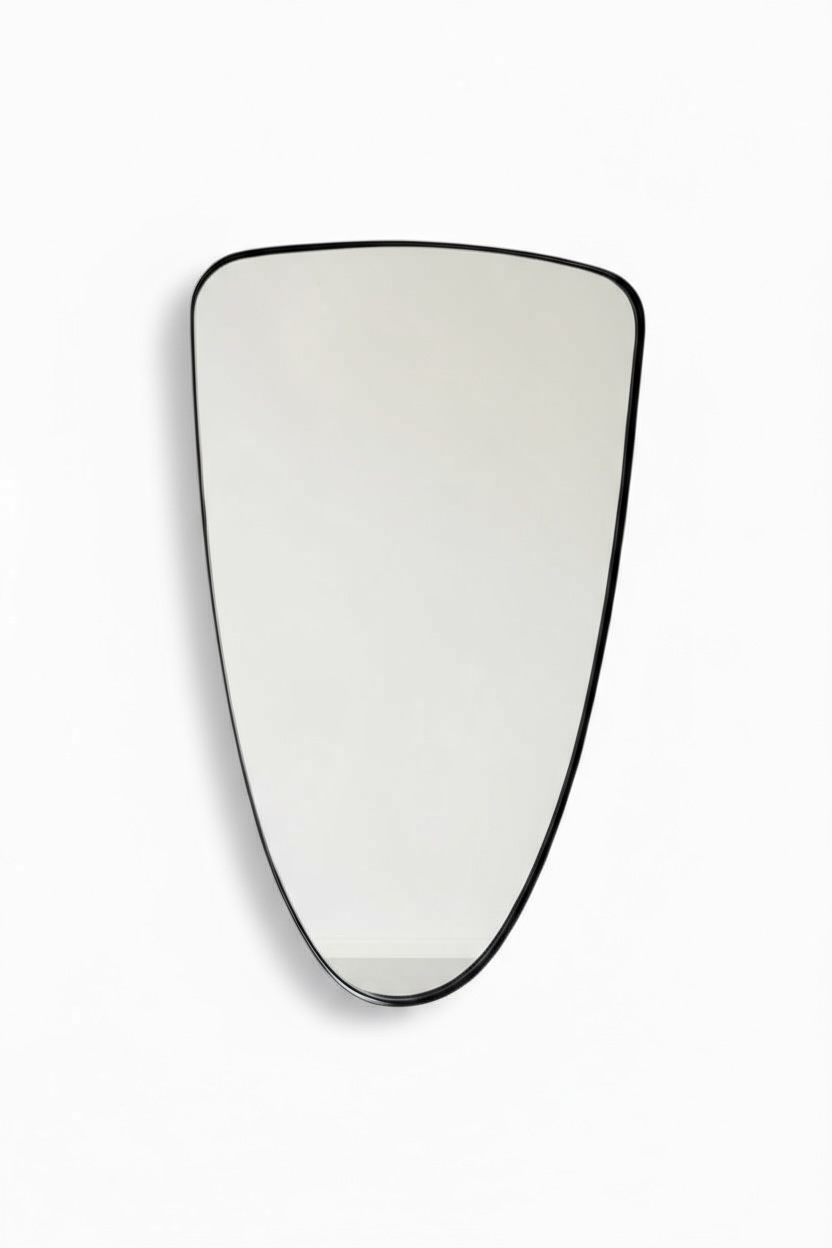
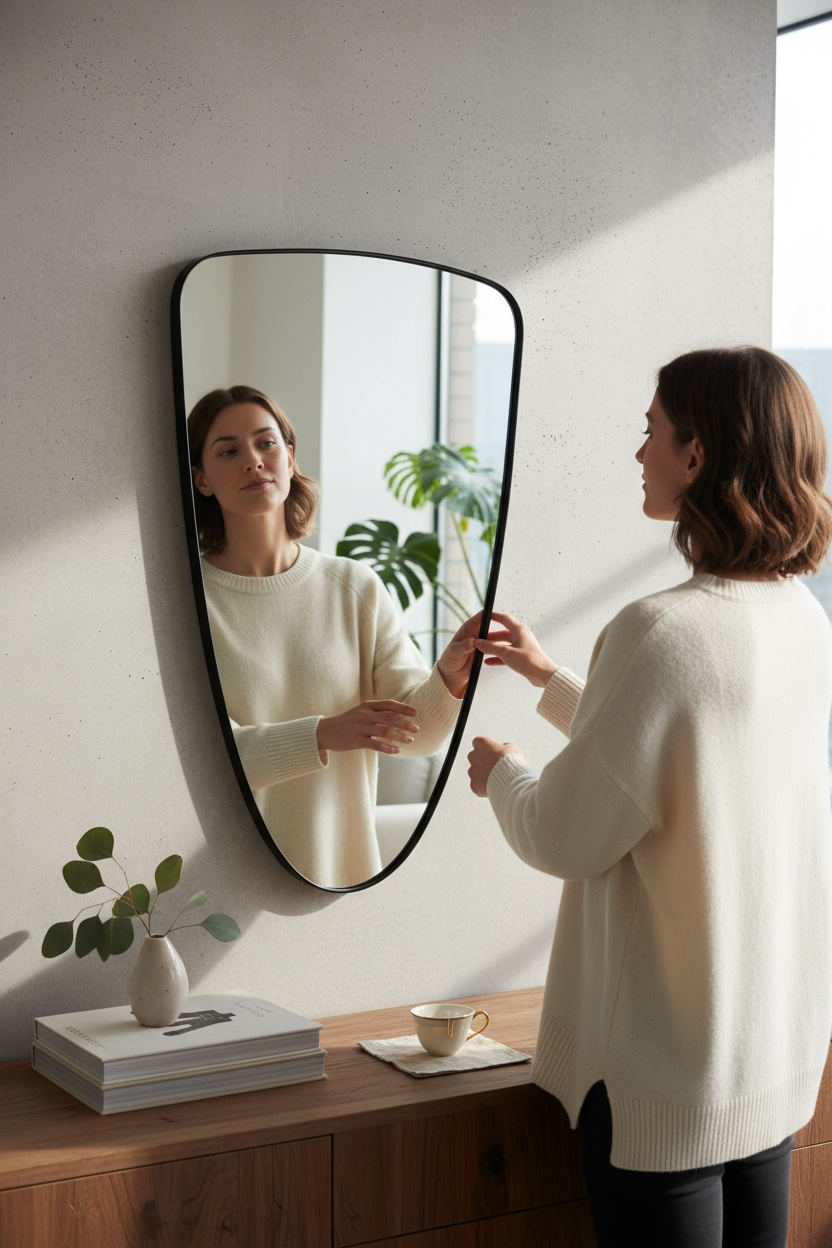
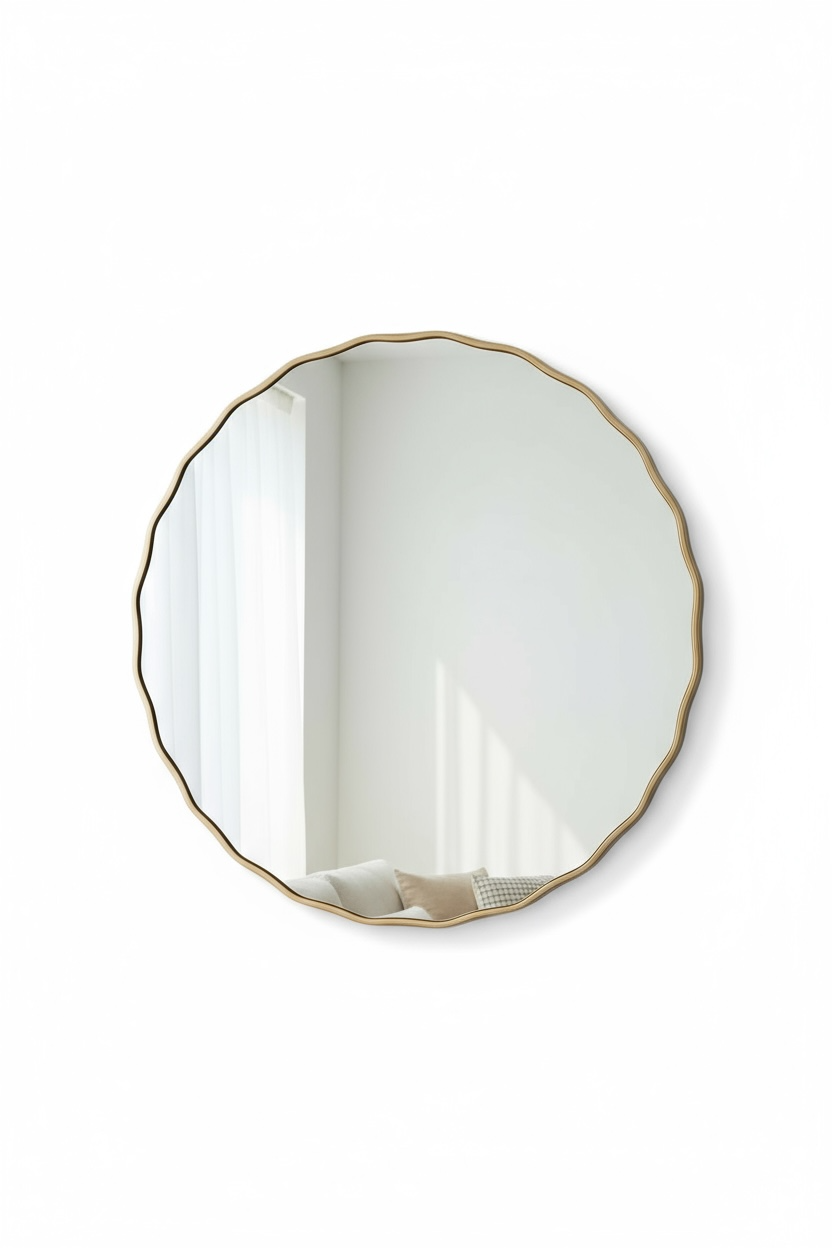
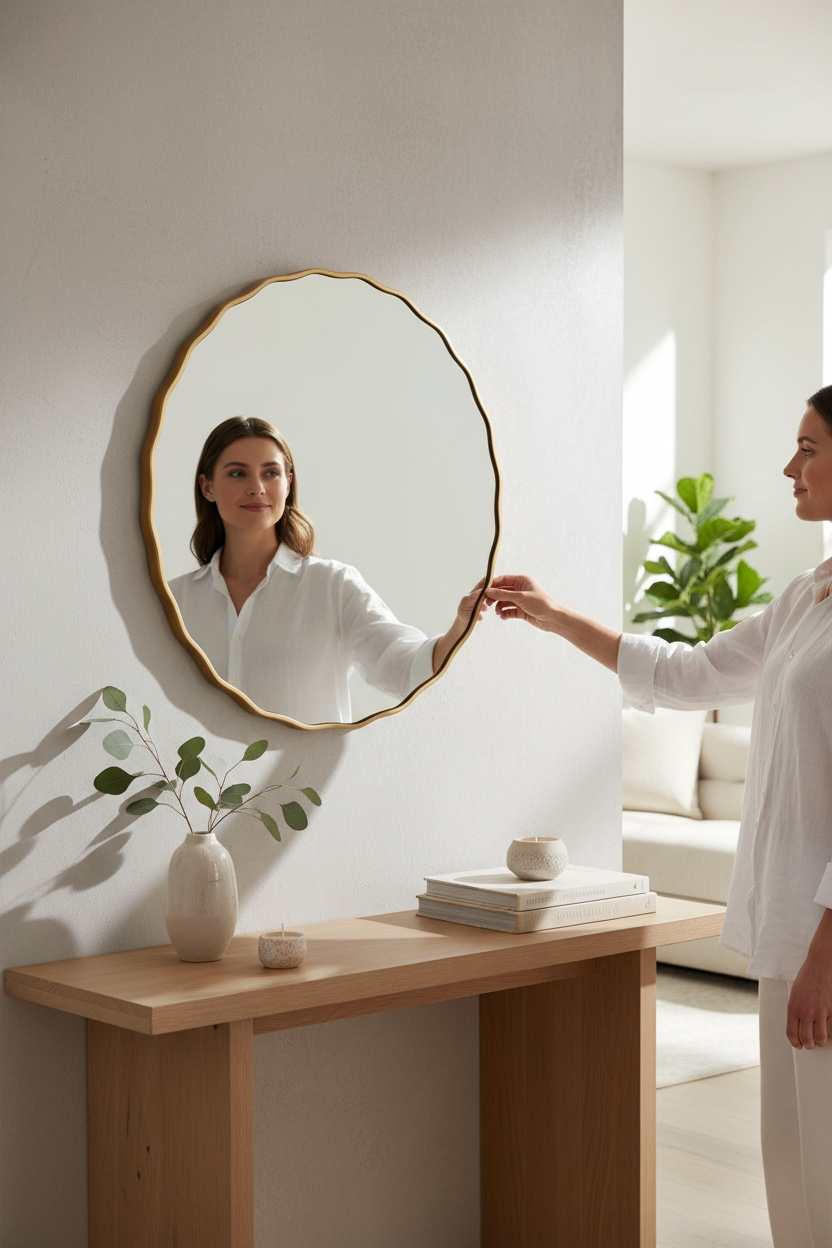
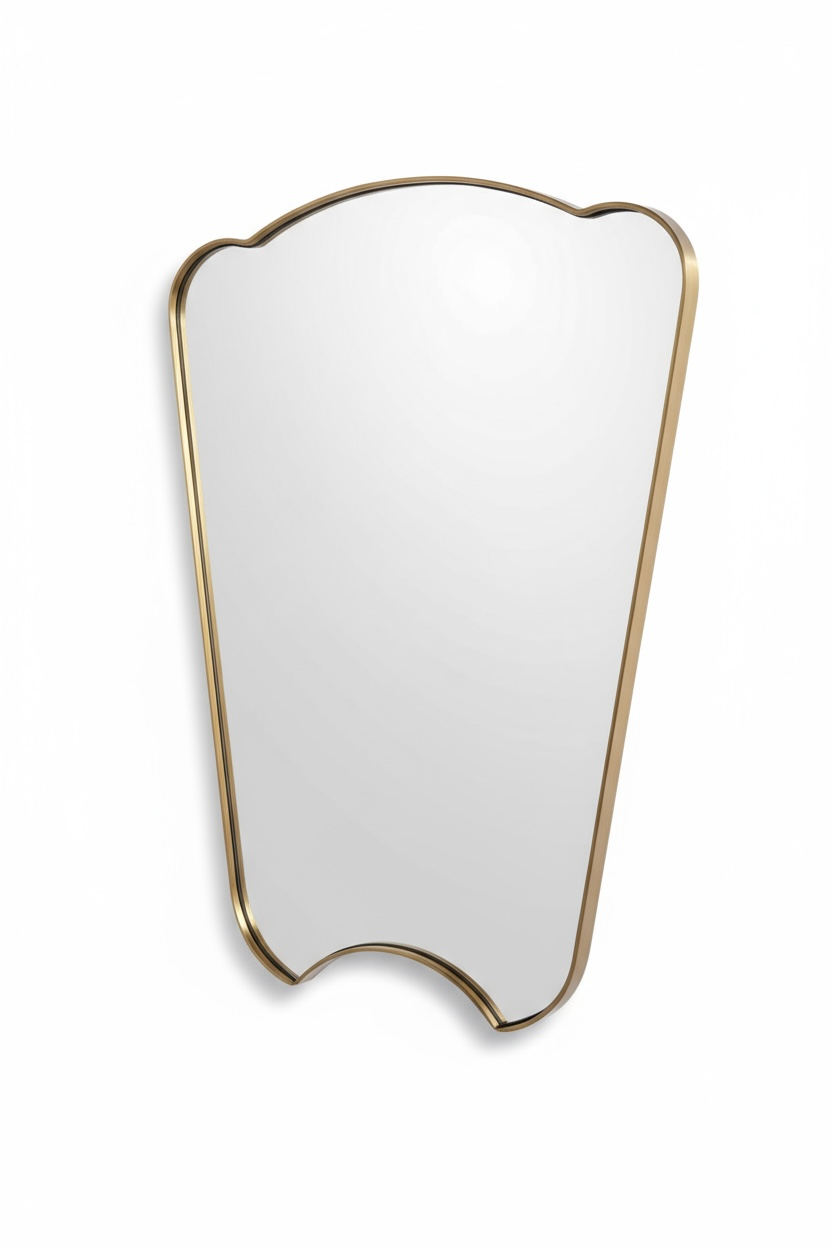
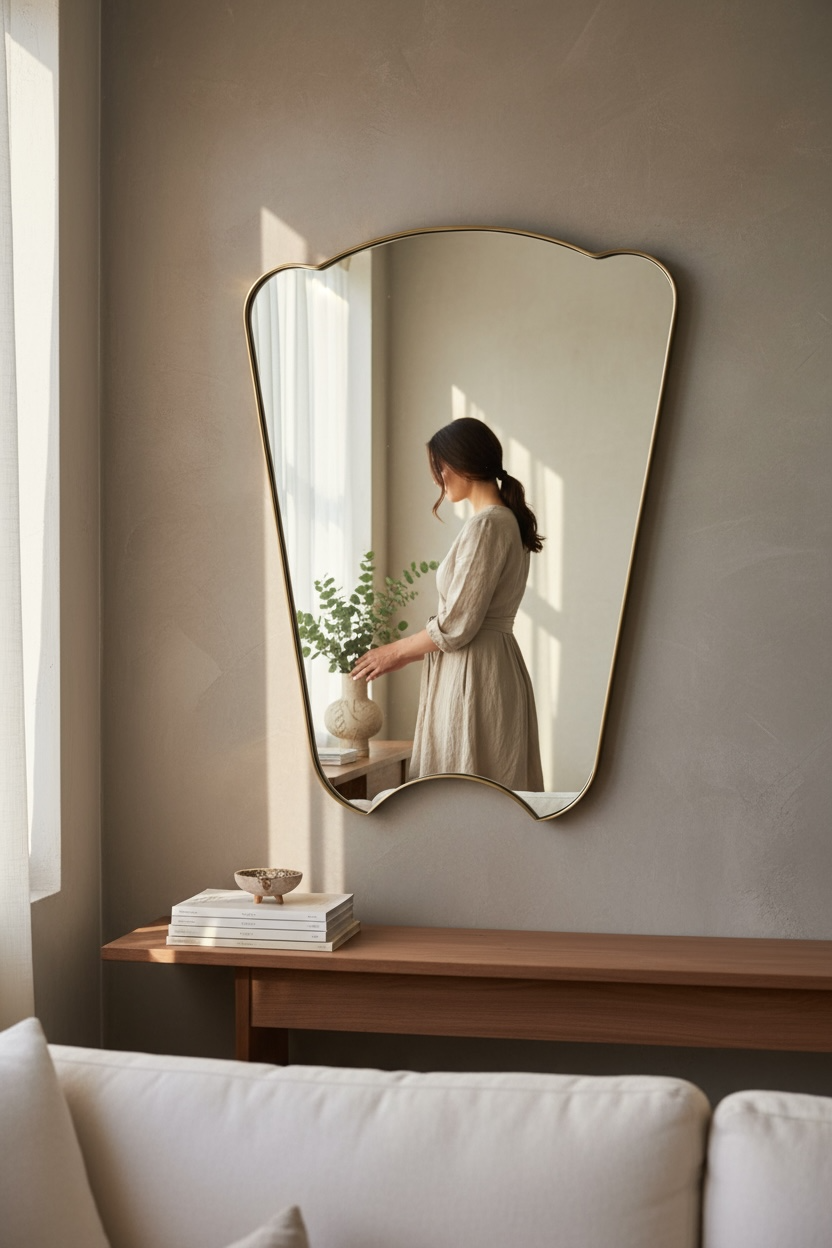
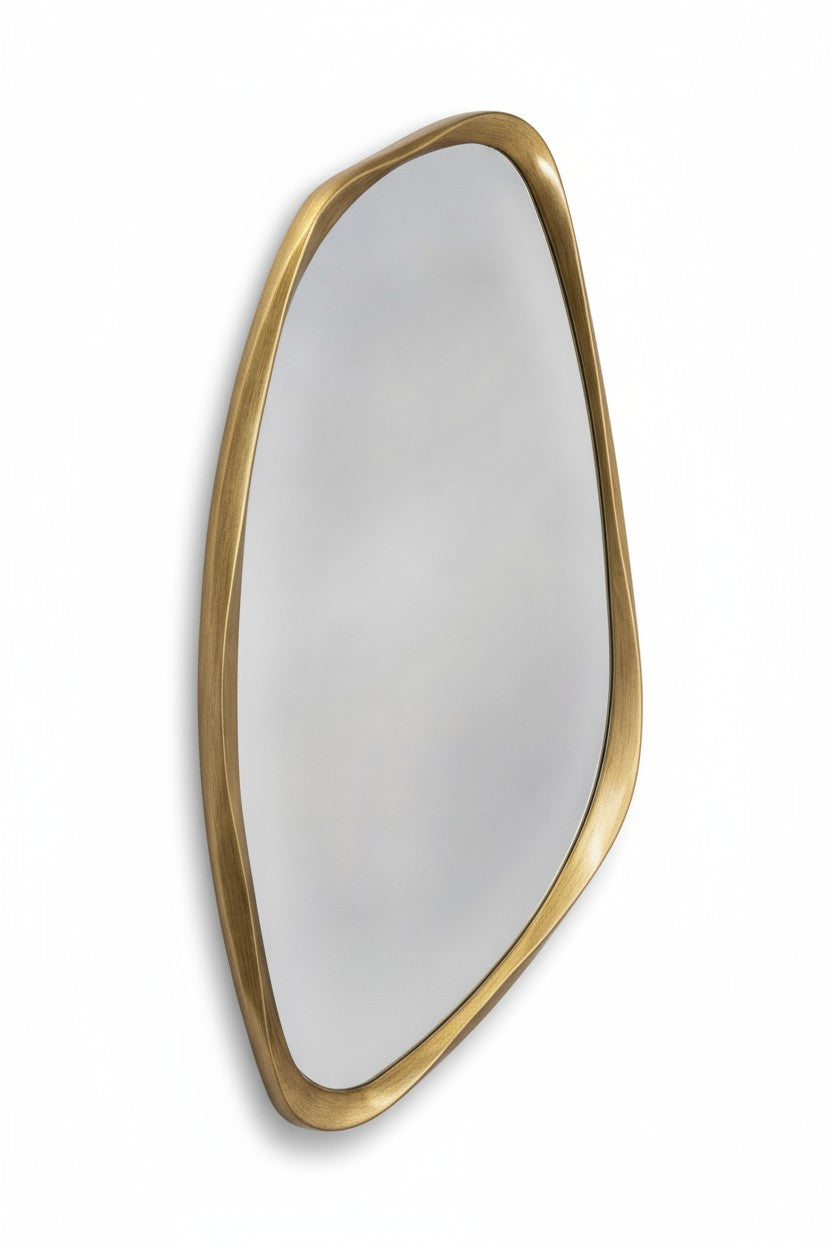
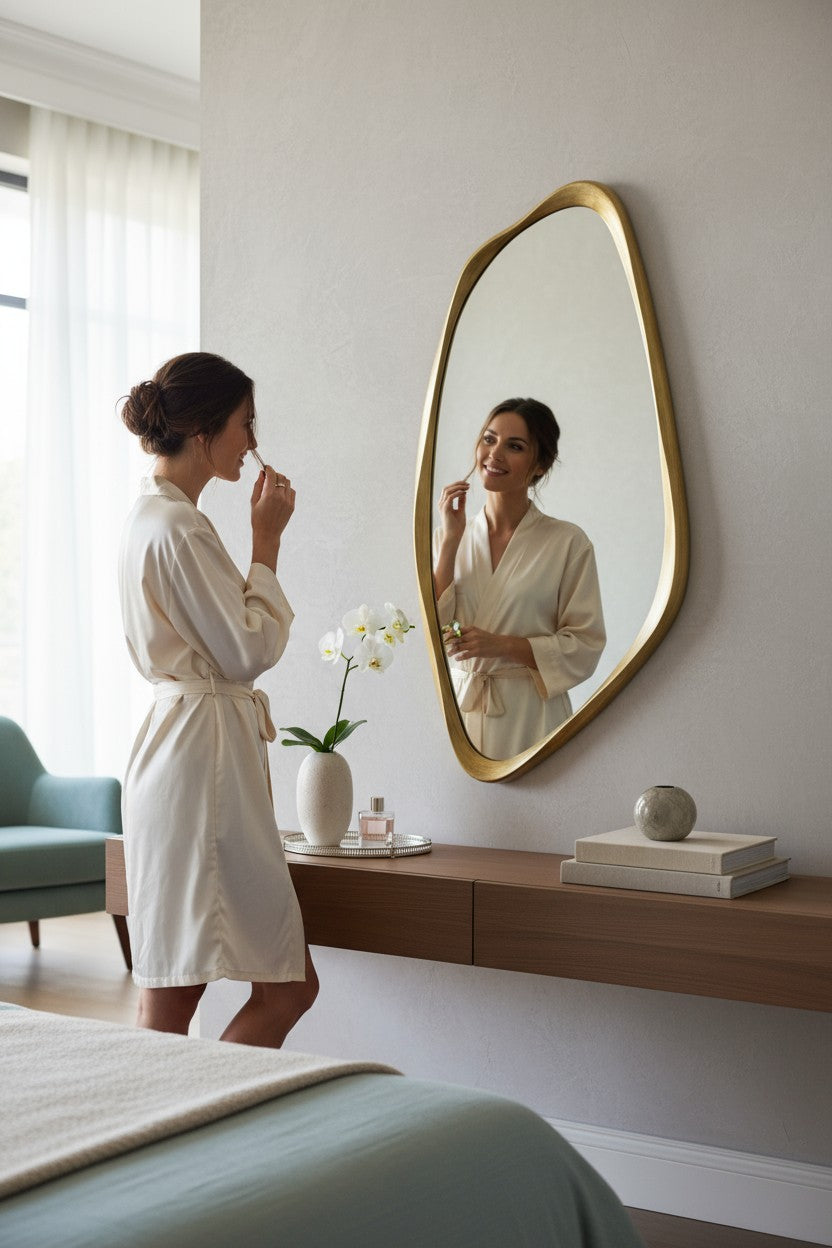
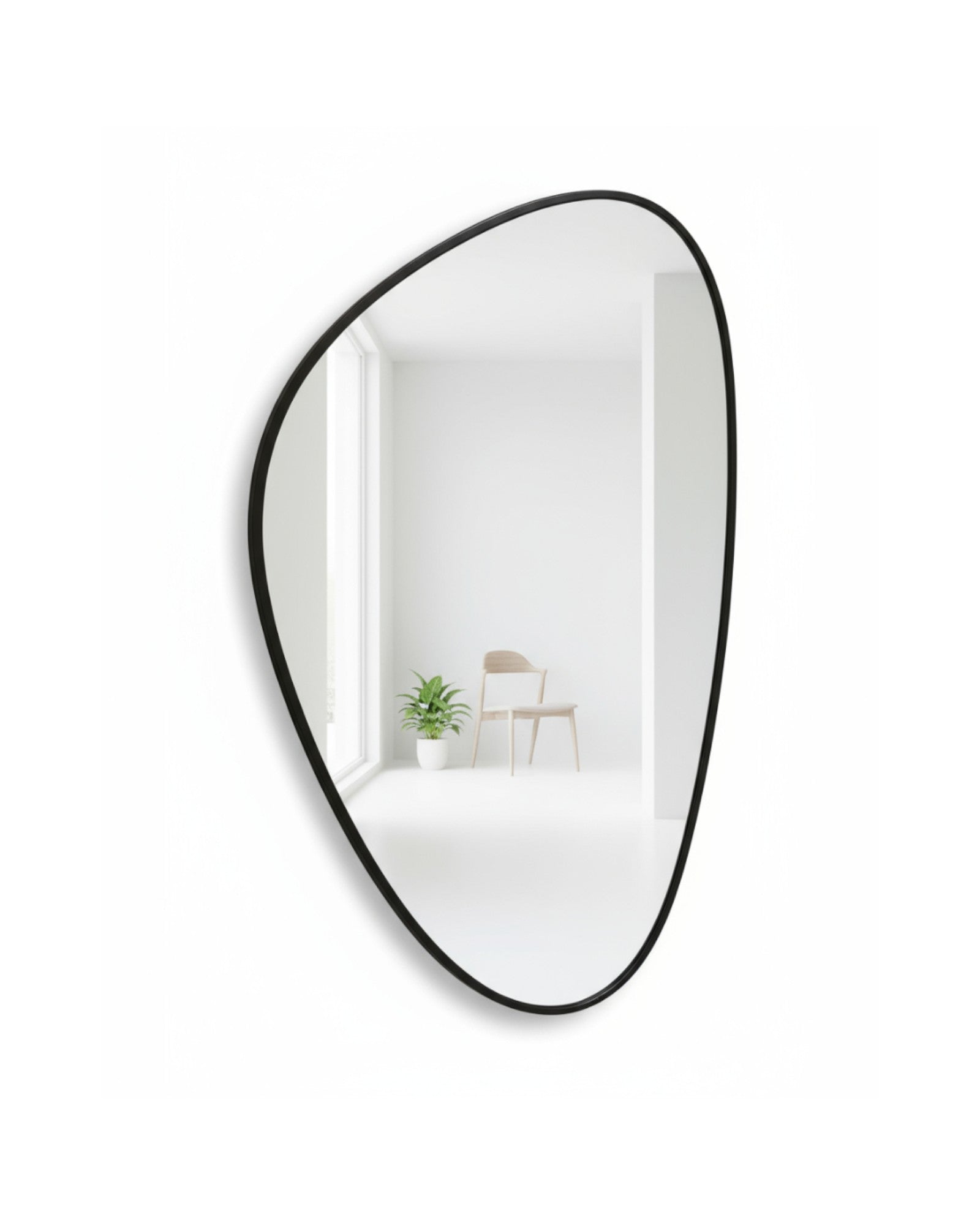
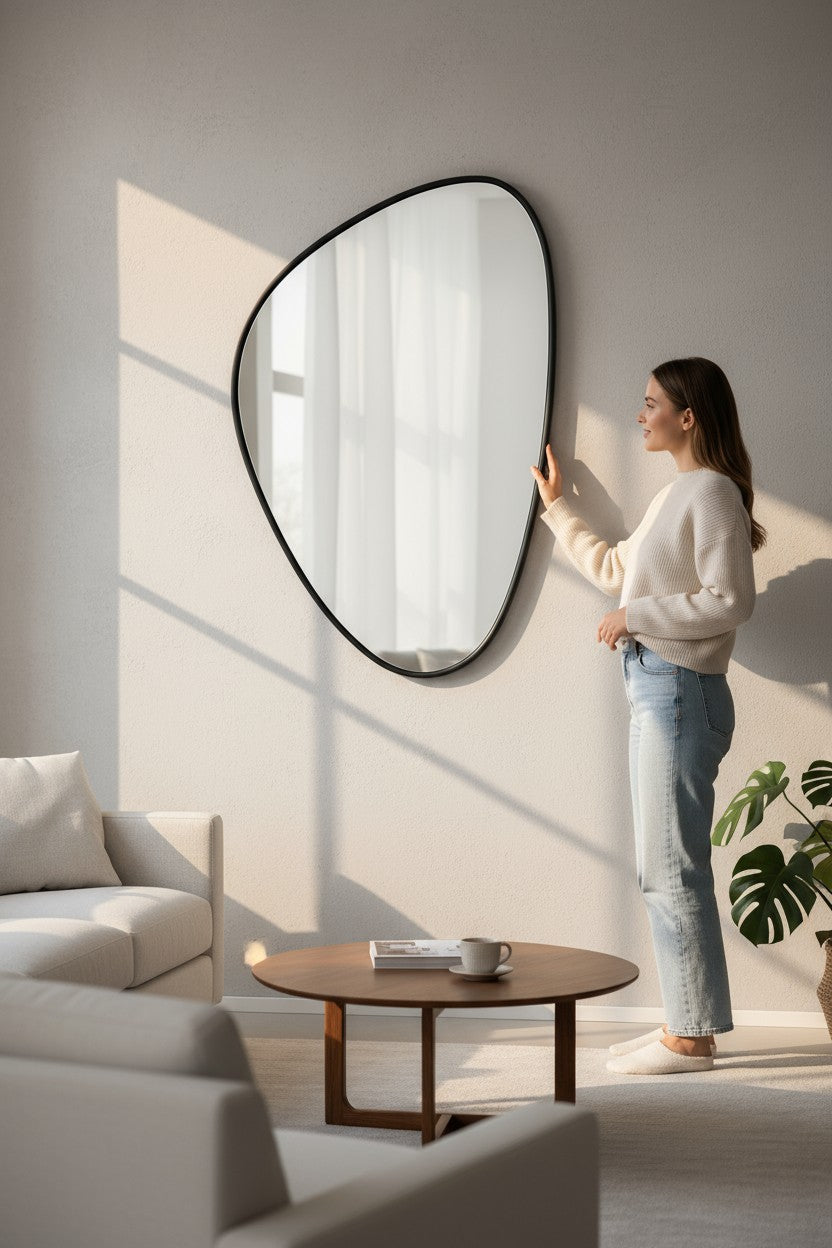
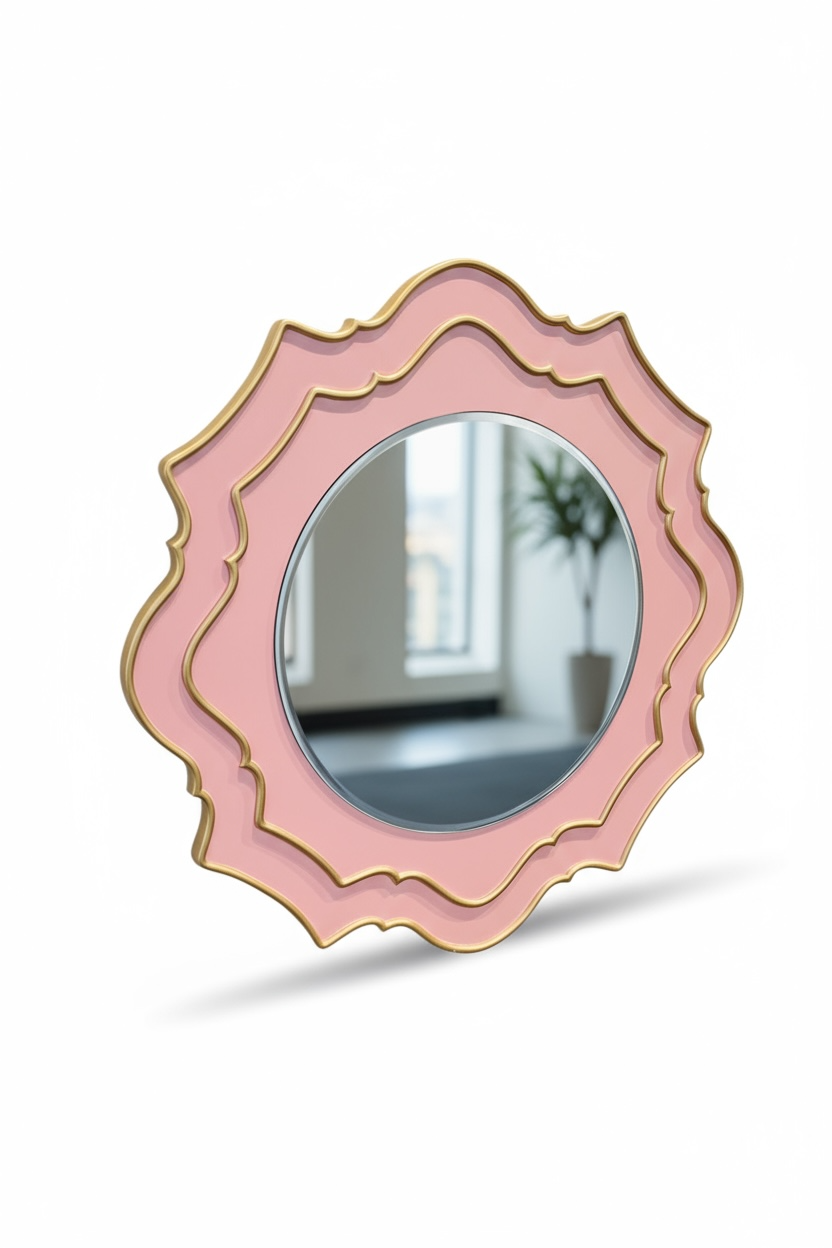
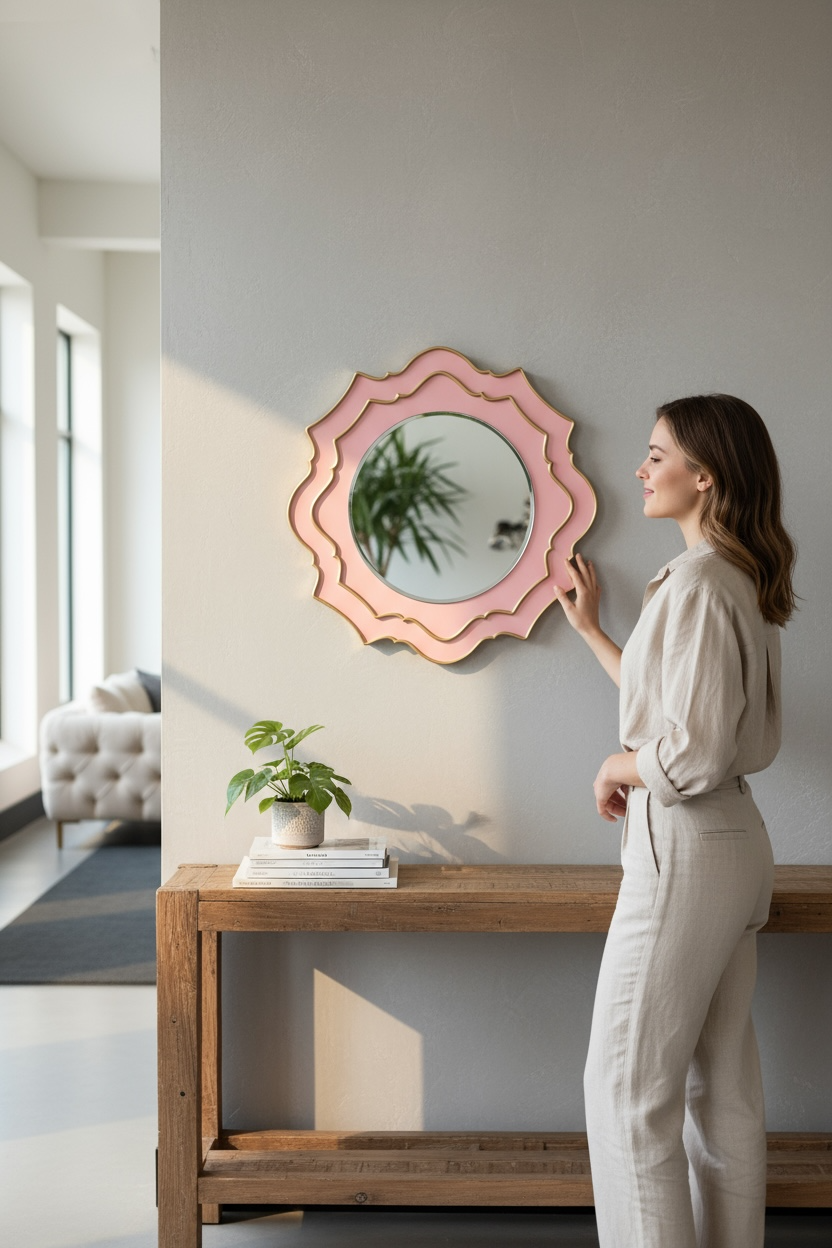
Modern Organic-Shaped Mirrors
Organic-shaped mirrors use fluid, irregular or naturally inspired outlines instead of conventional geometric forms. They can soften rooms with strong architectural lines while creating a distinctive focal point.
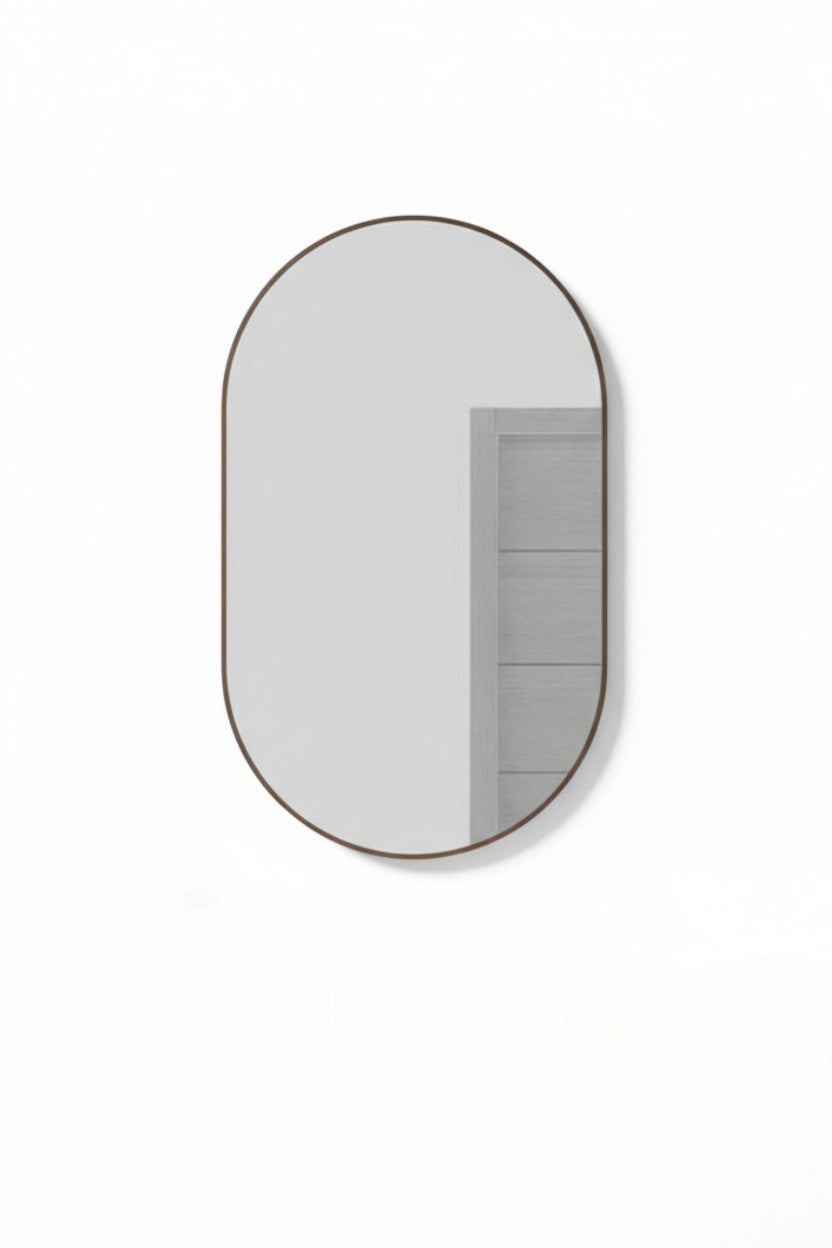
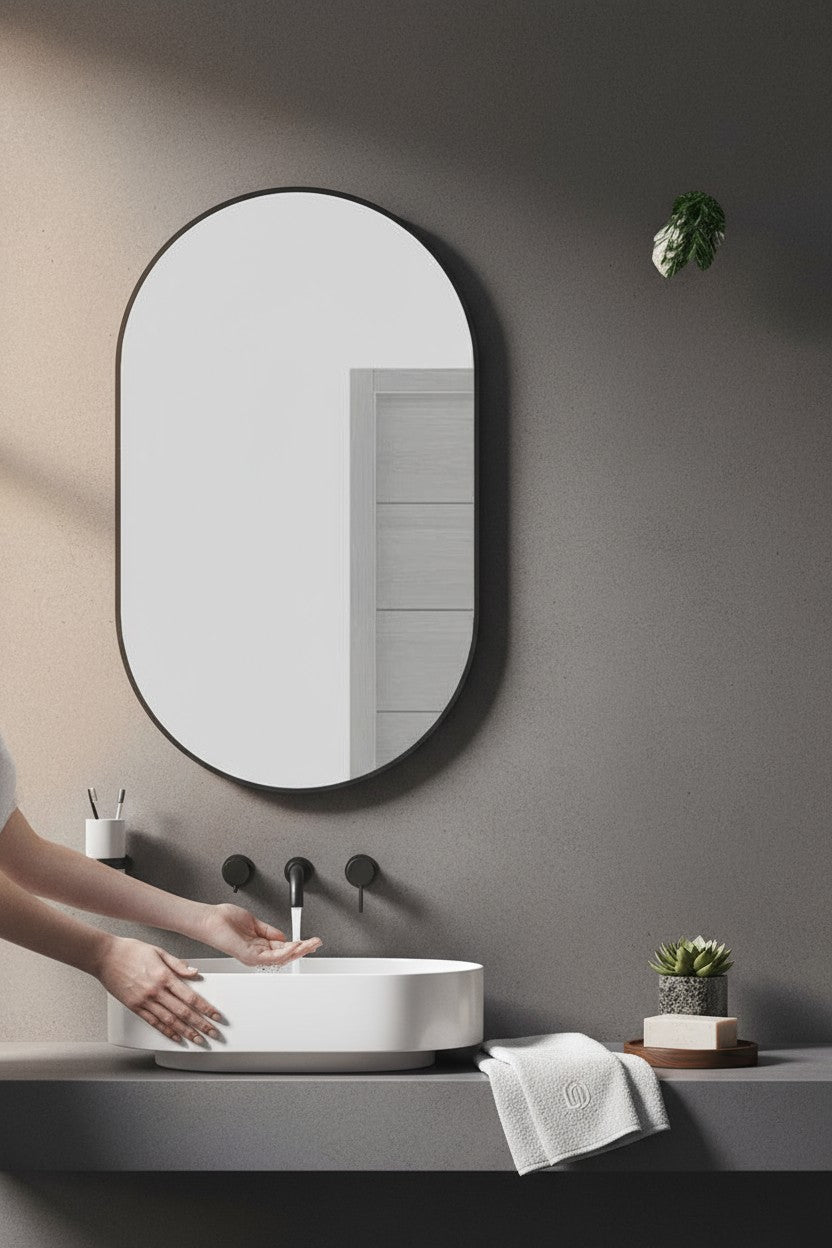
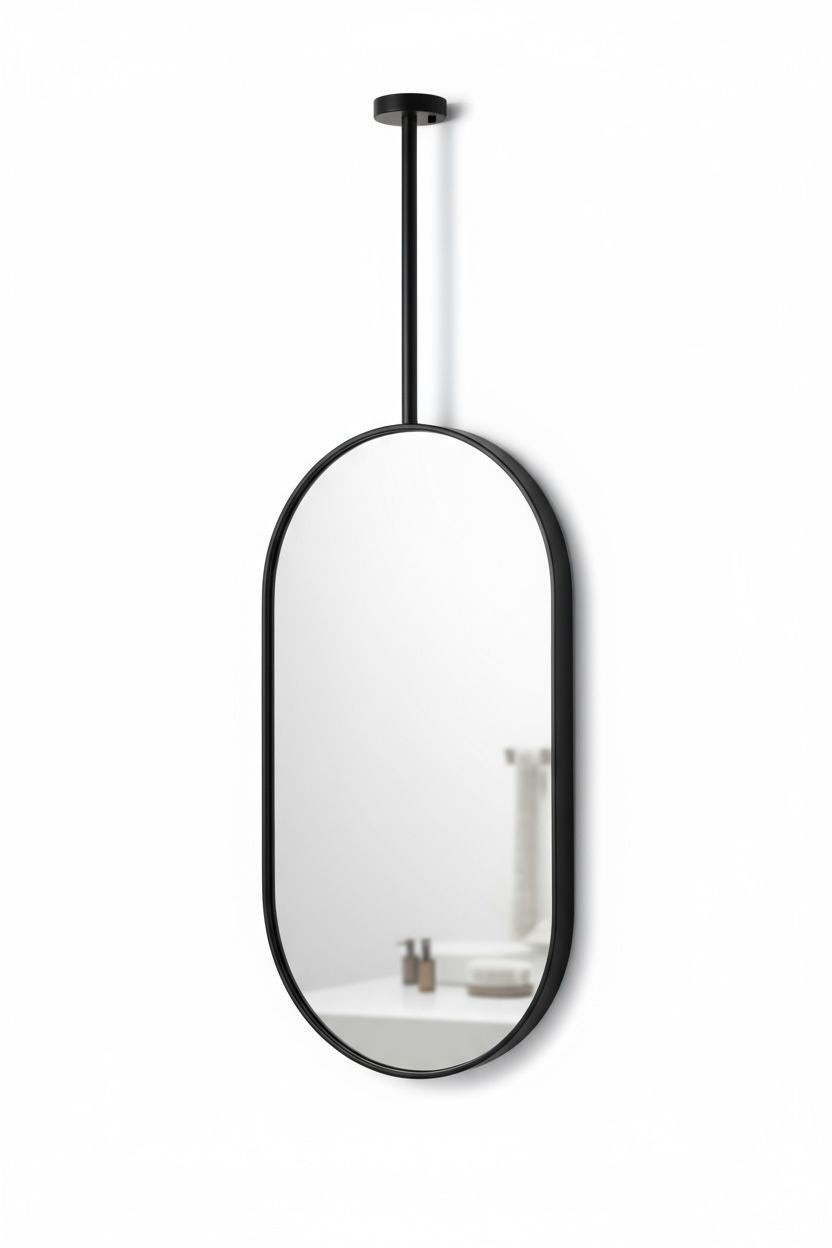
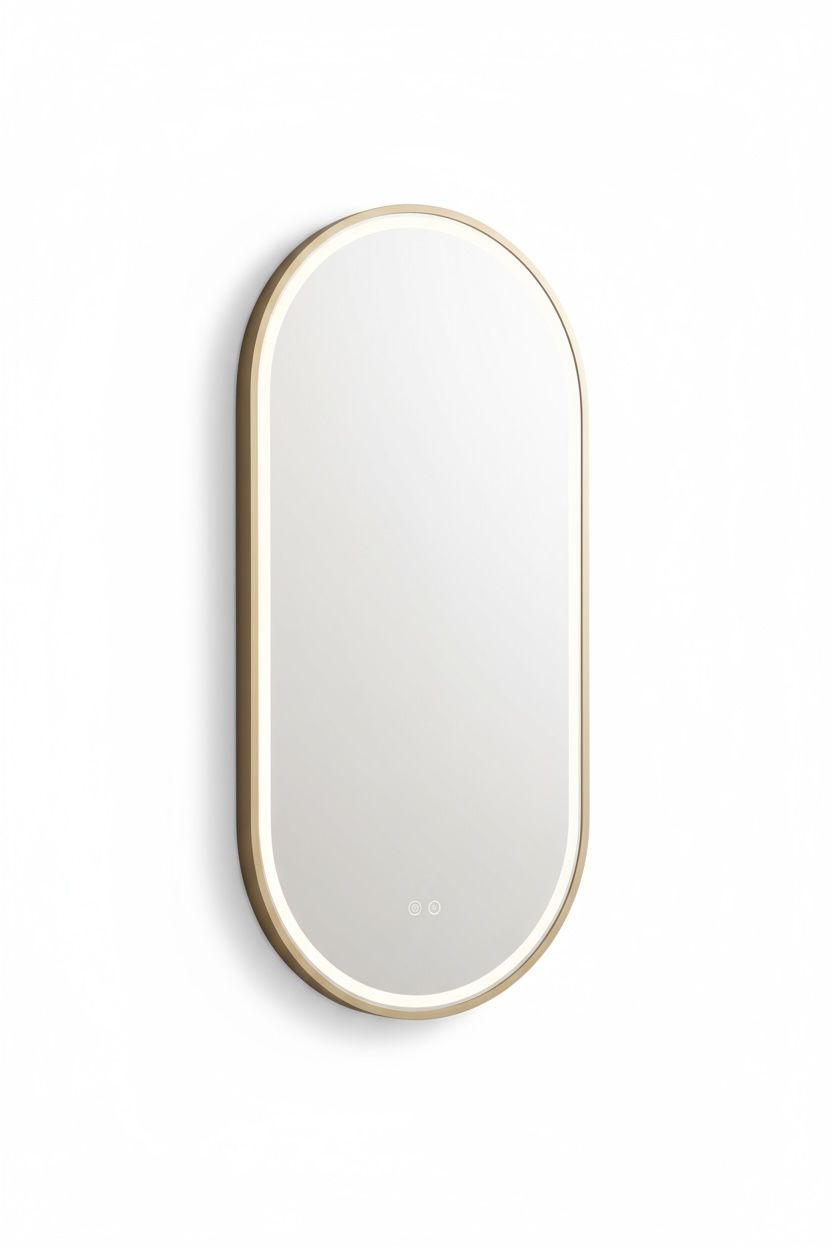
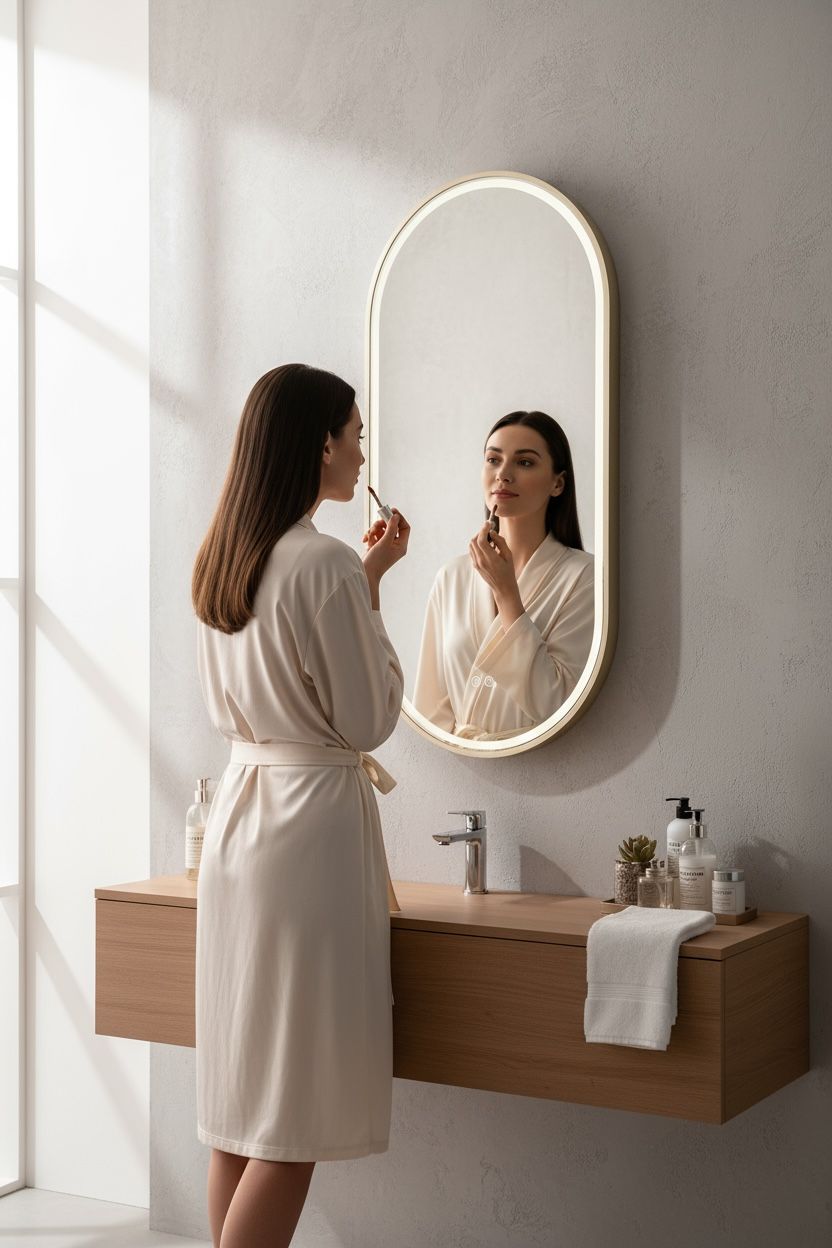
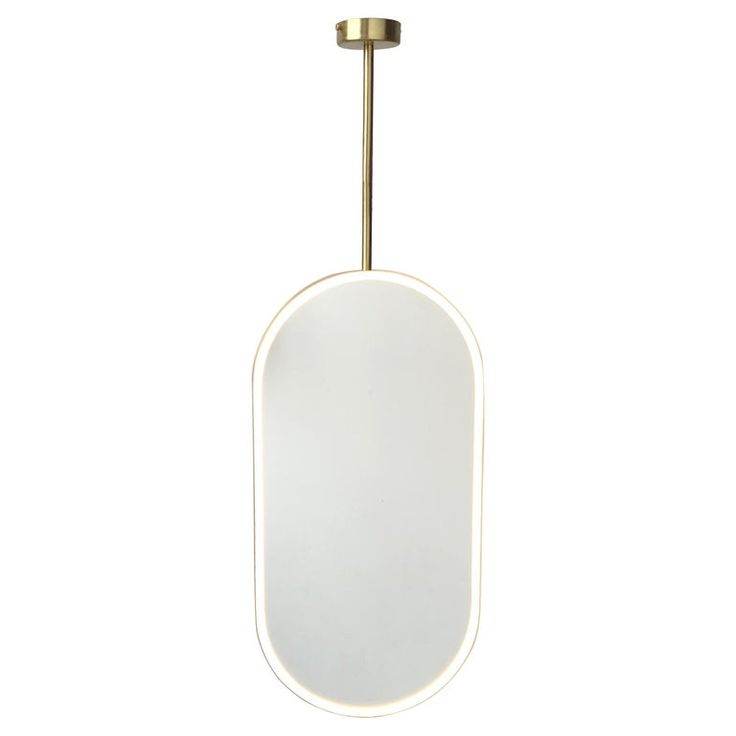
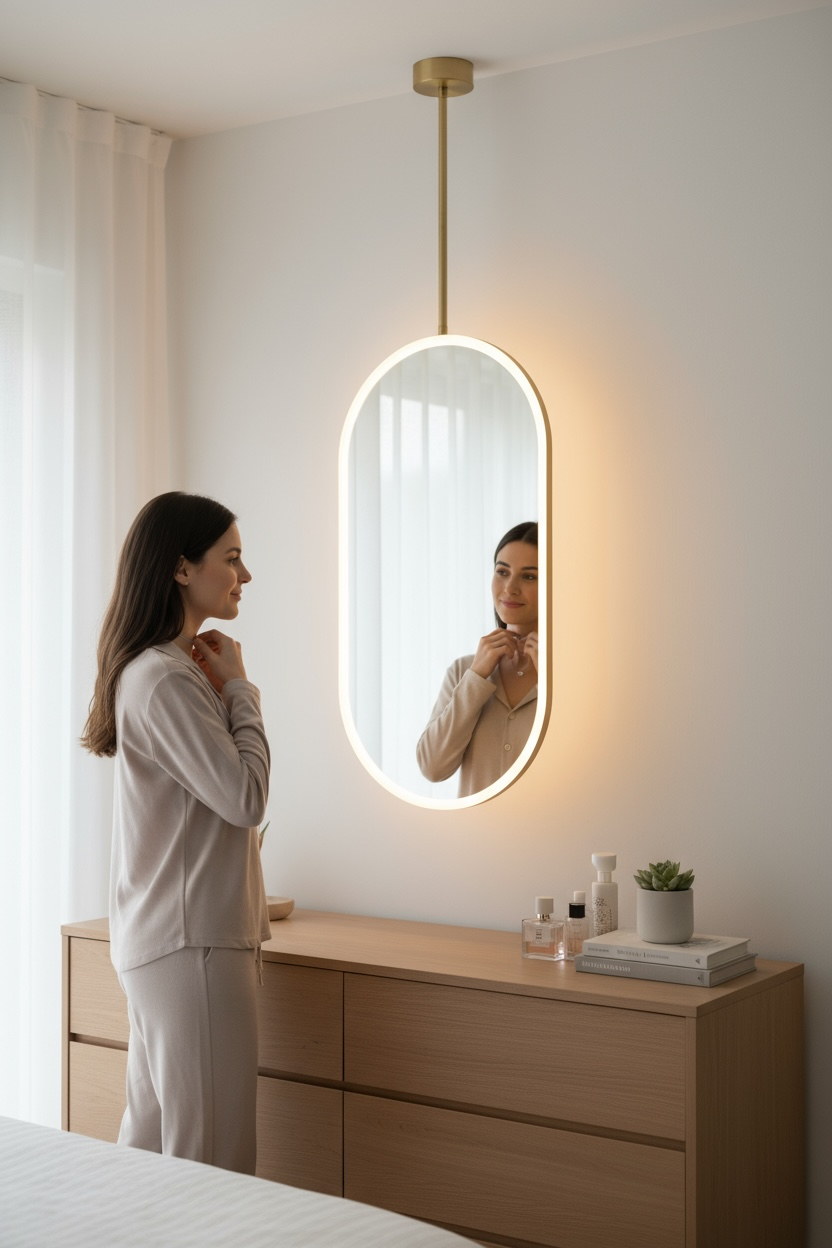
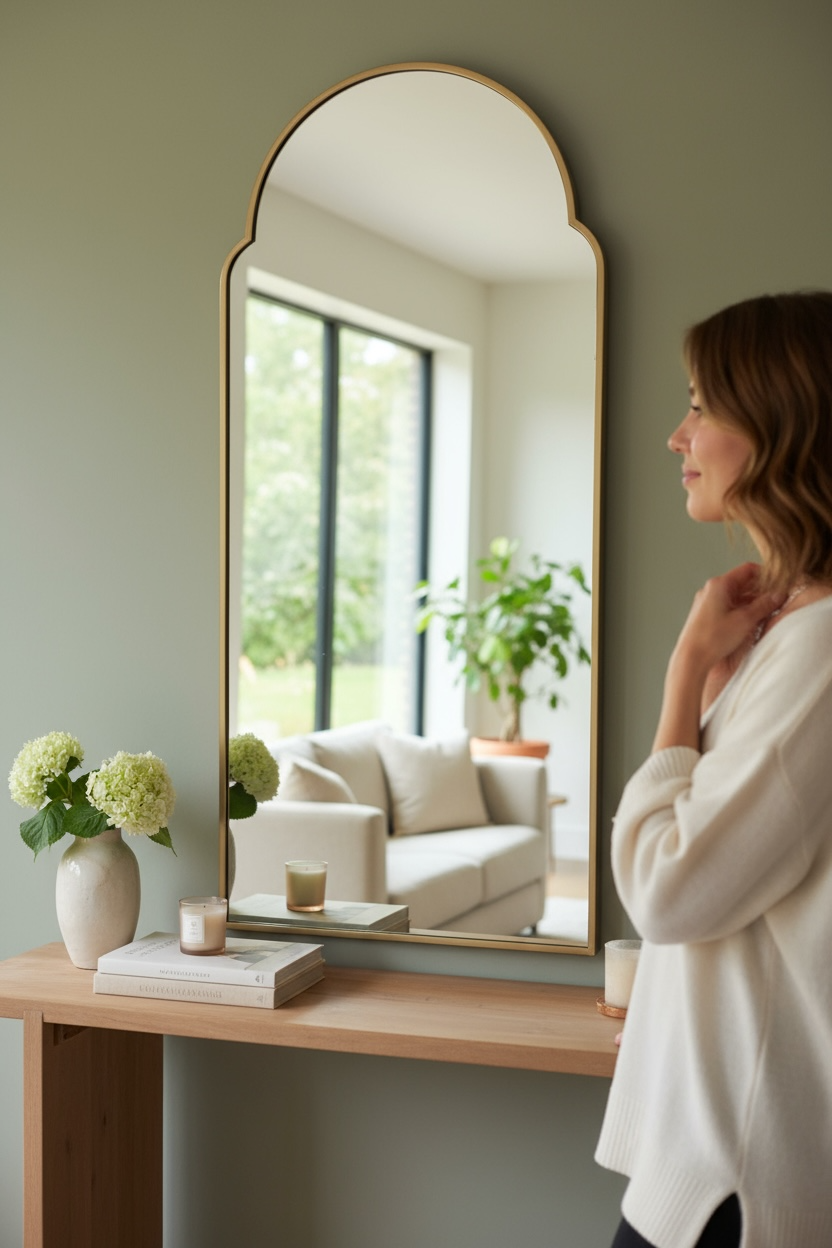
Modern Capsule Mirrors
Capsule mirrors combine elongated proportions with rounded ends, creating a balanced contemporary silhouette. They are particularly suitable for bedrooms, bathrooms, dressing areas and modern feature walls.
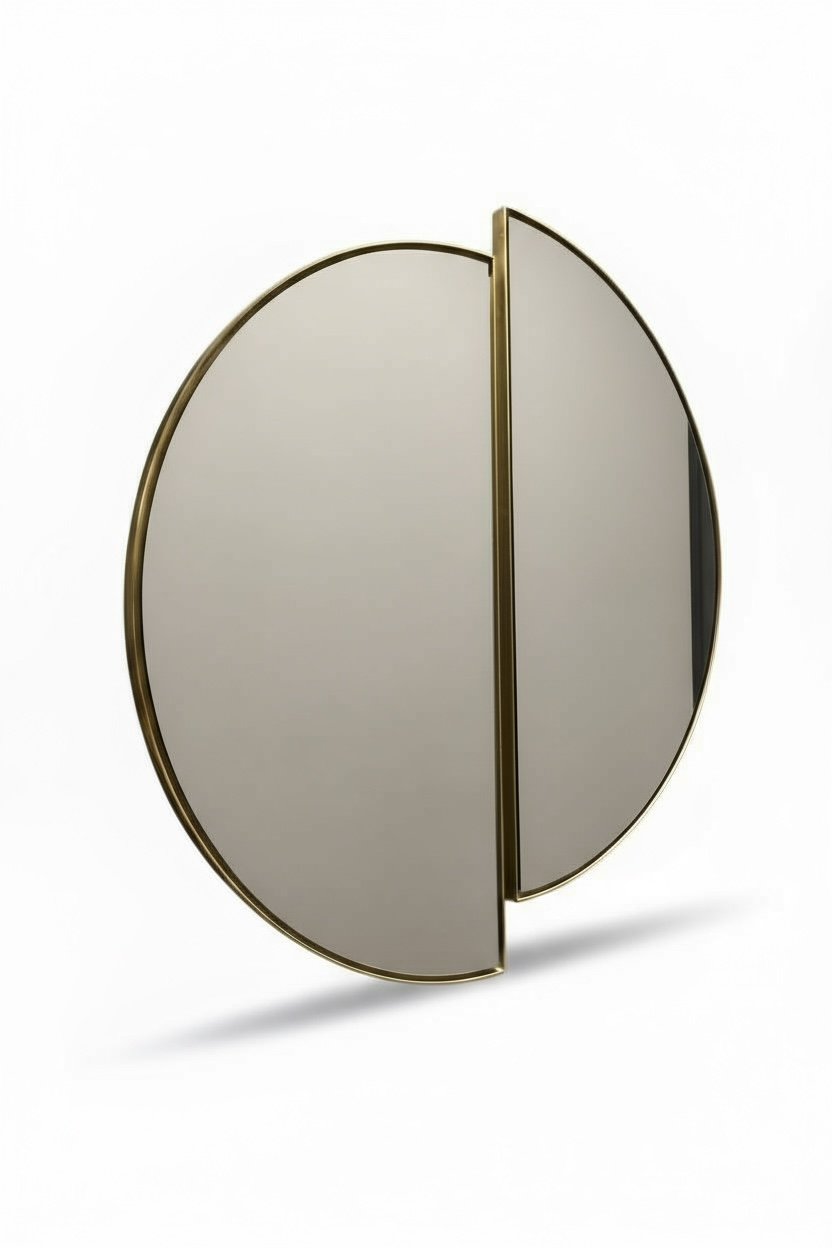
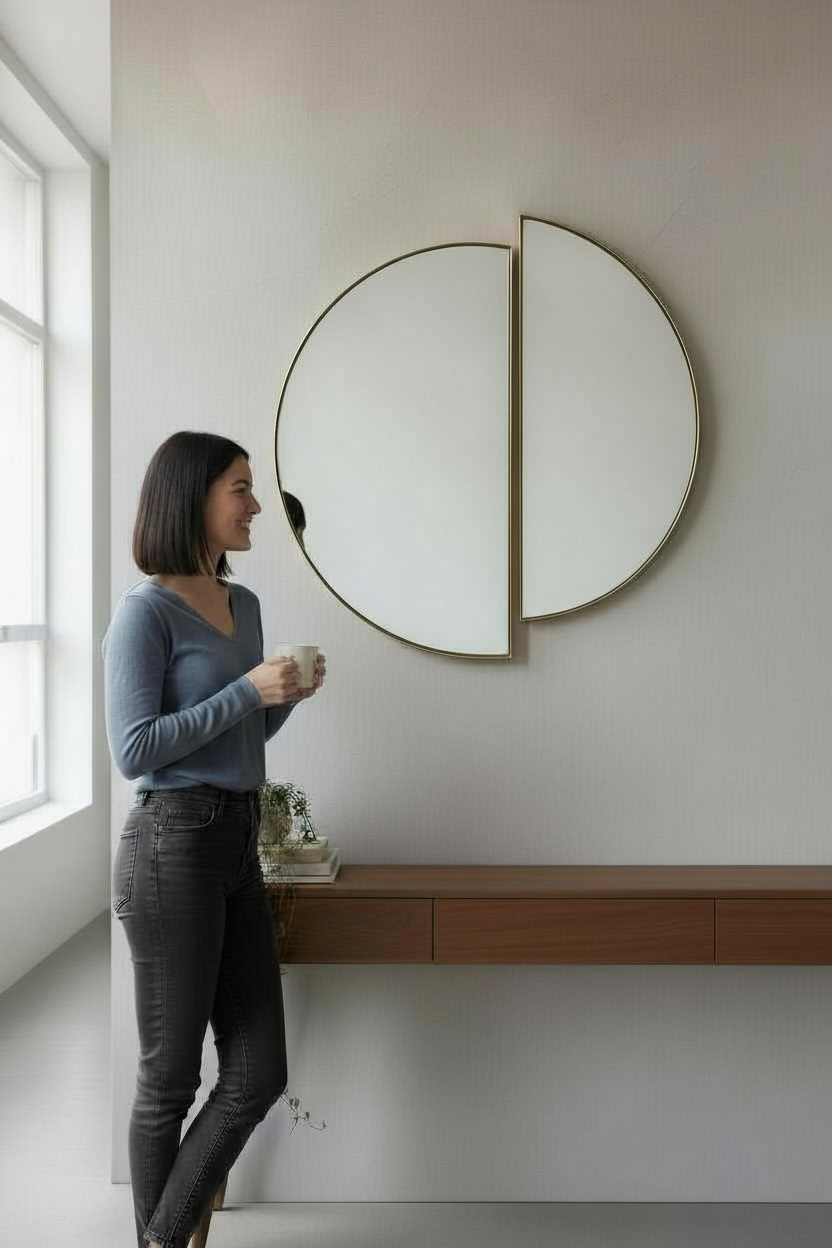
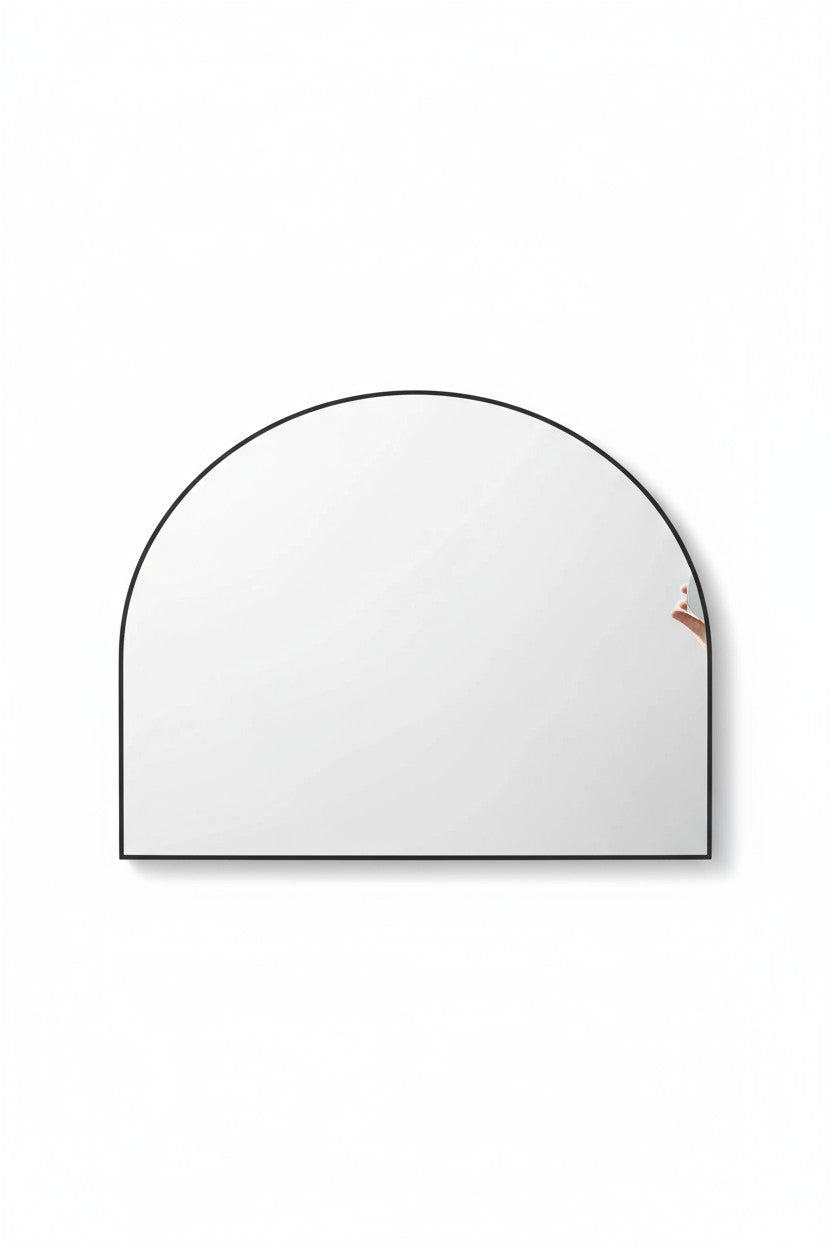
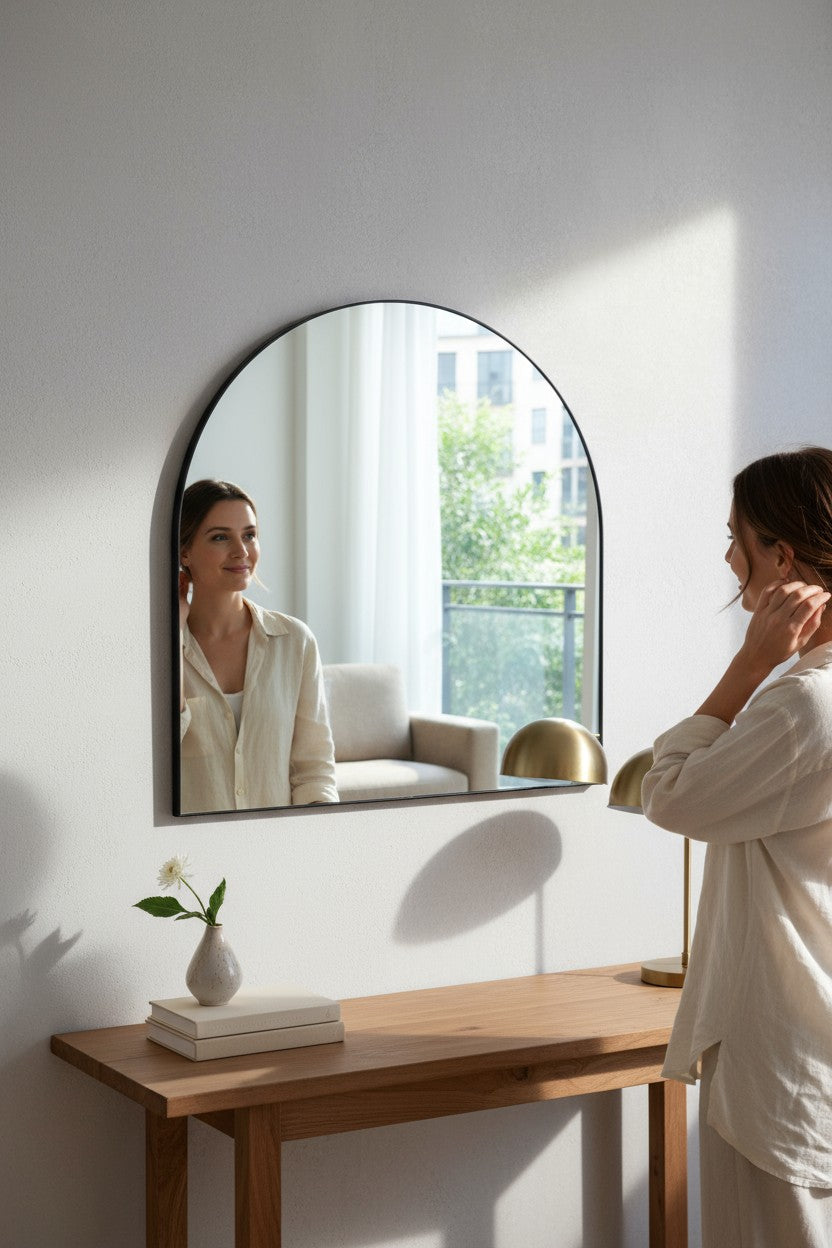
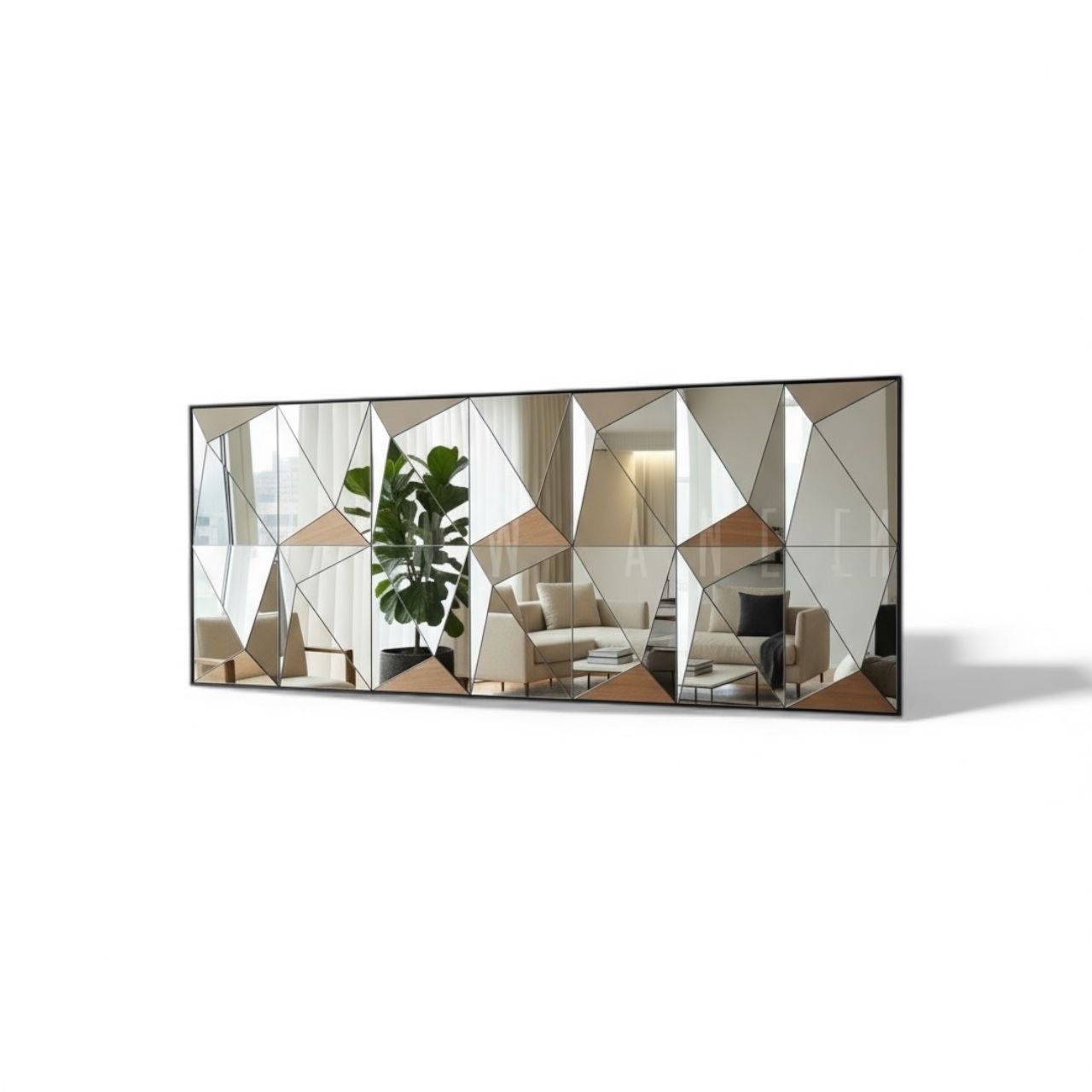
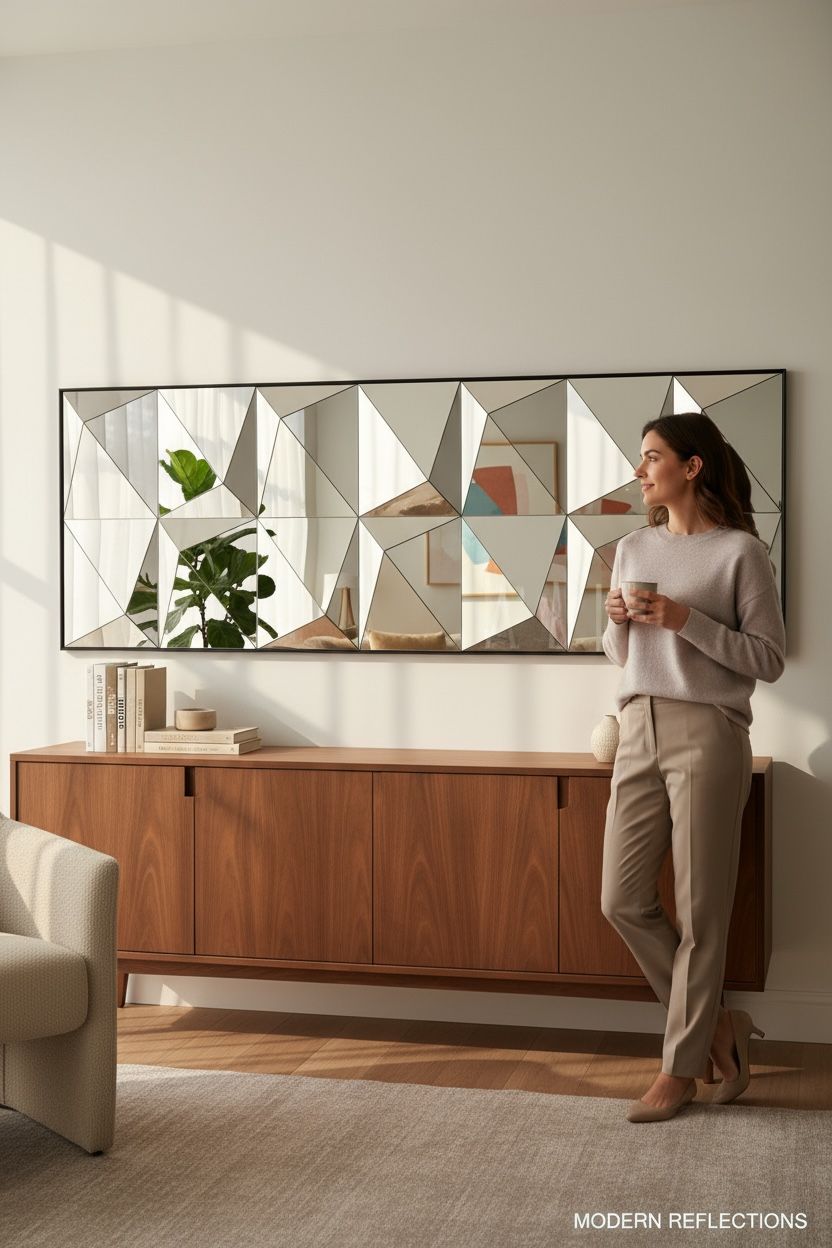
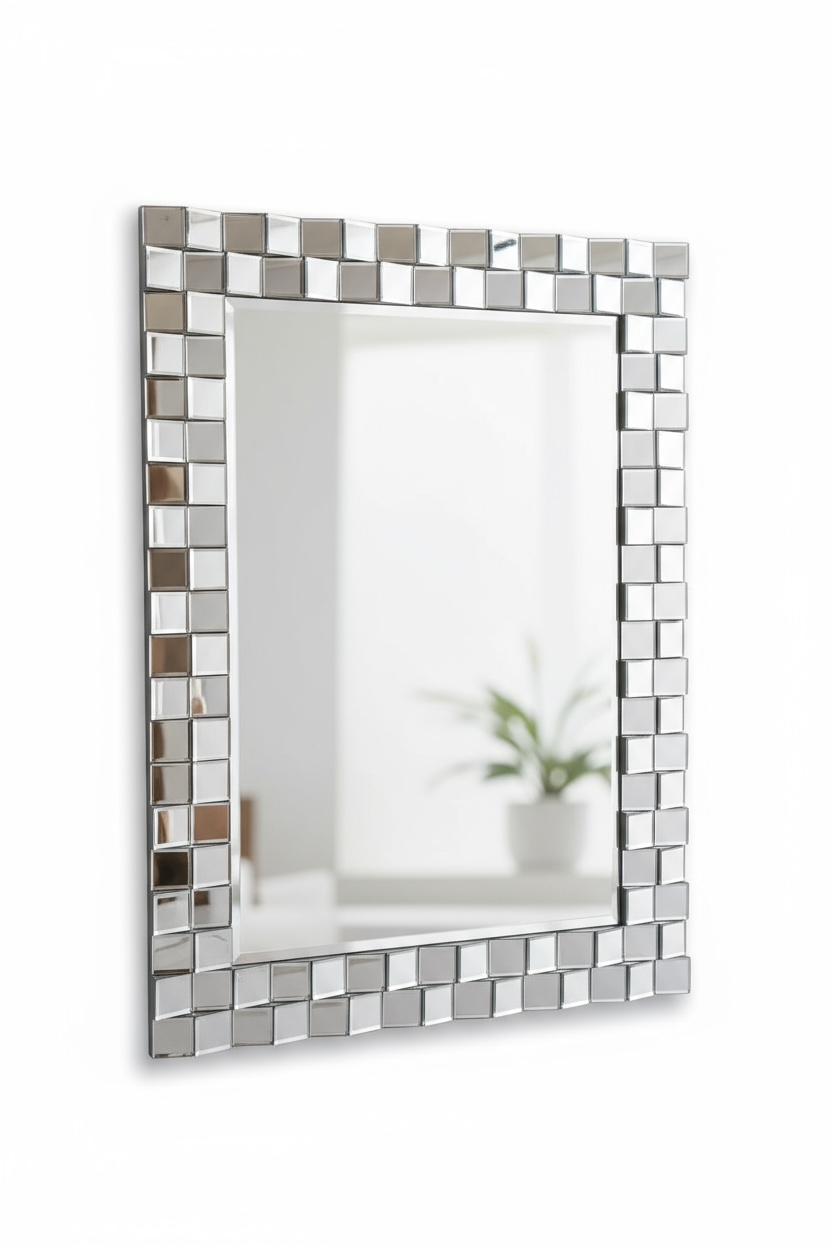
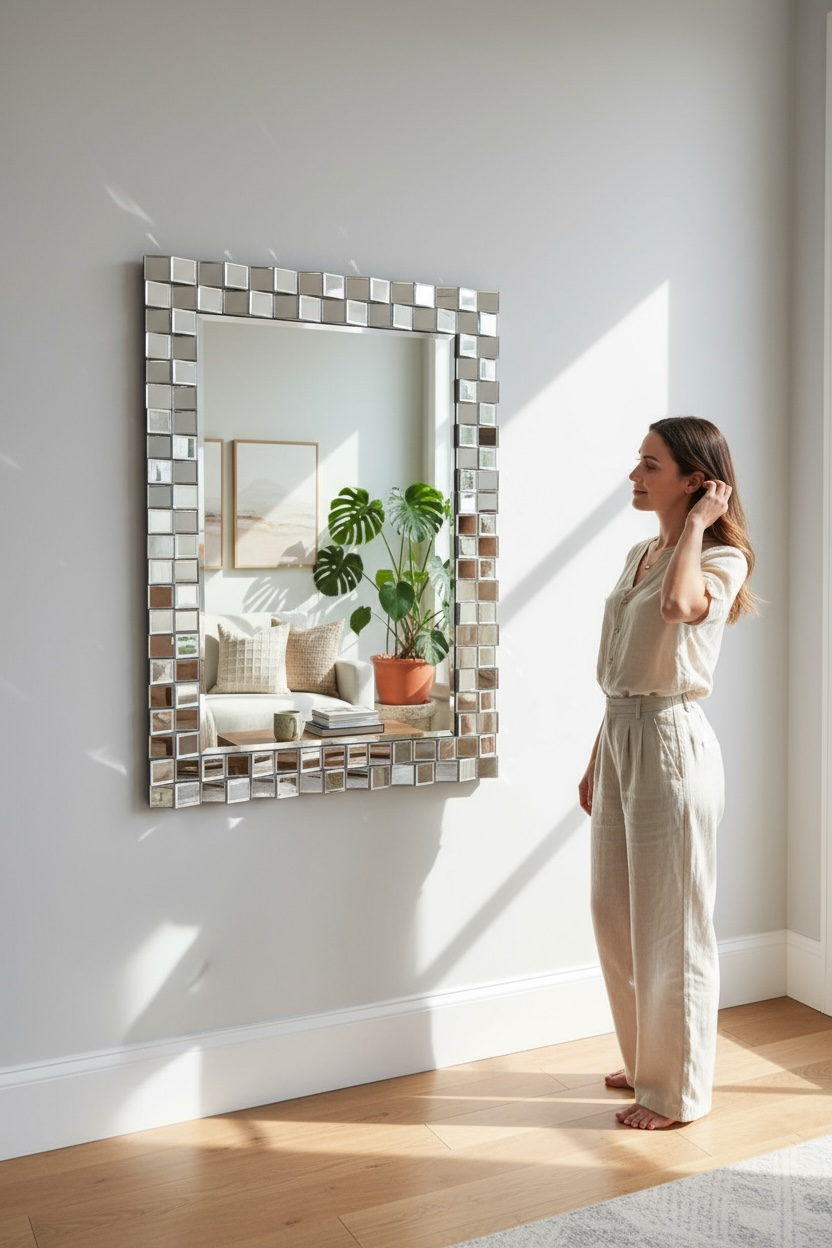
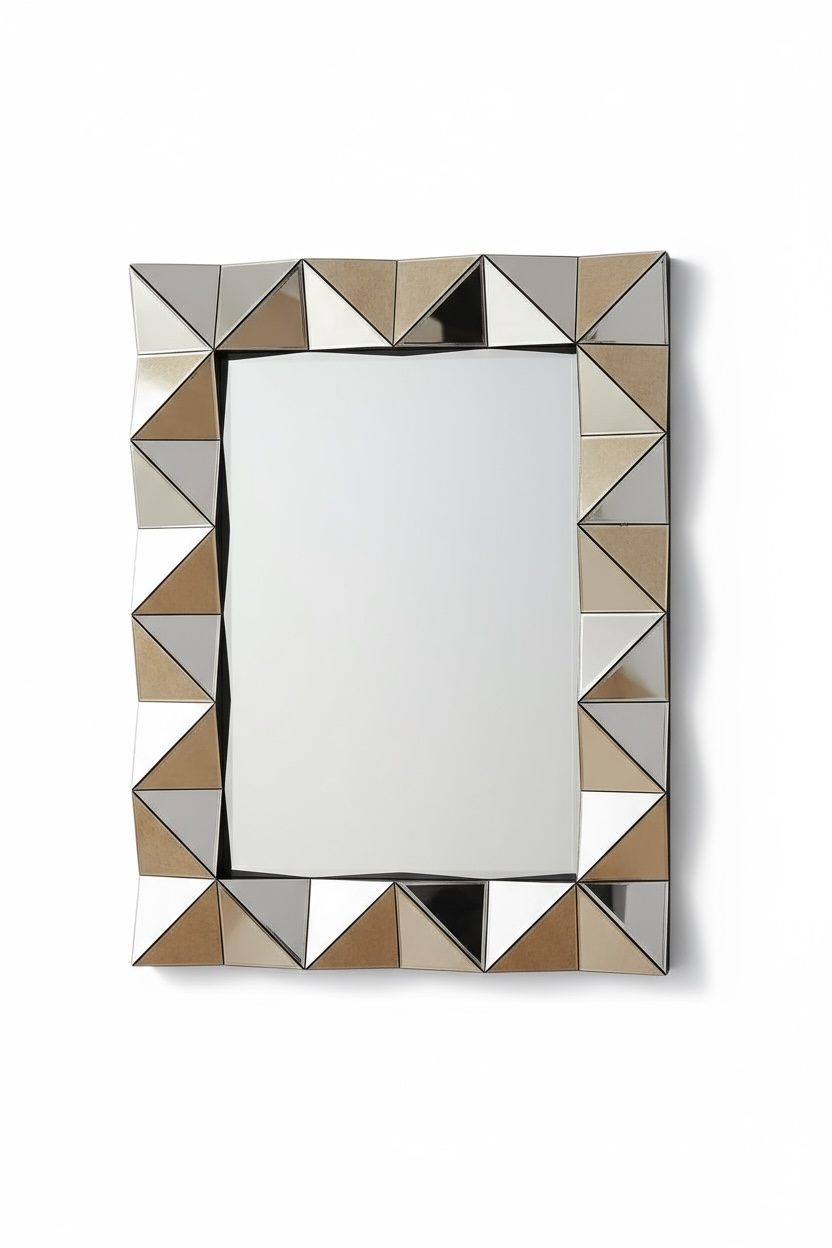
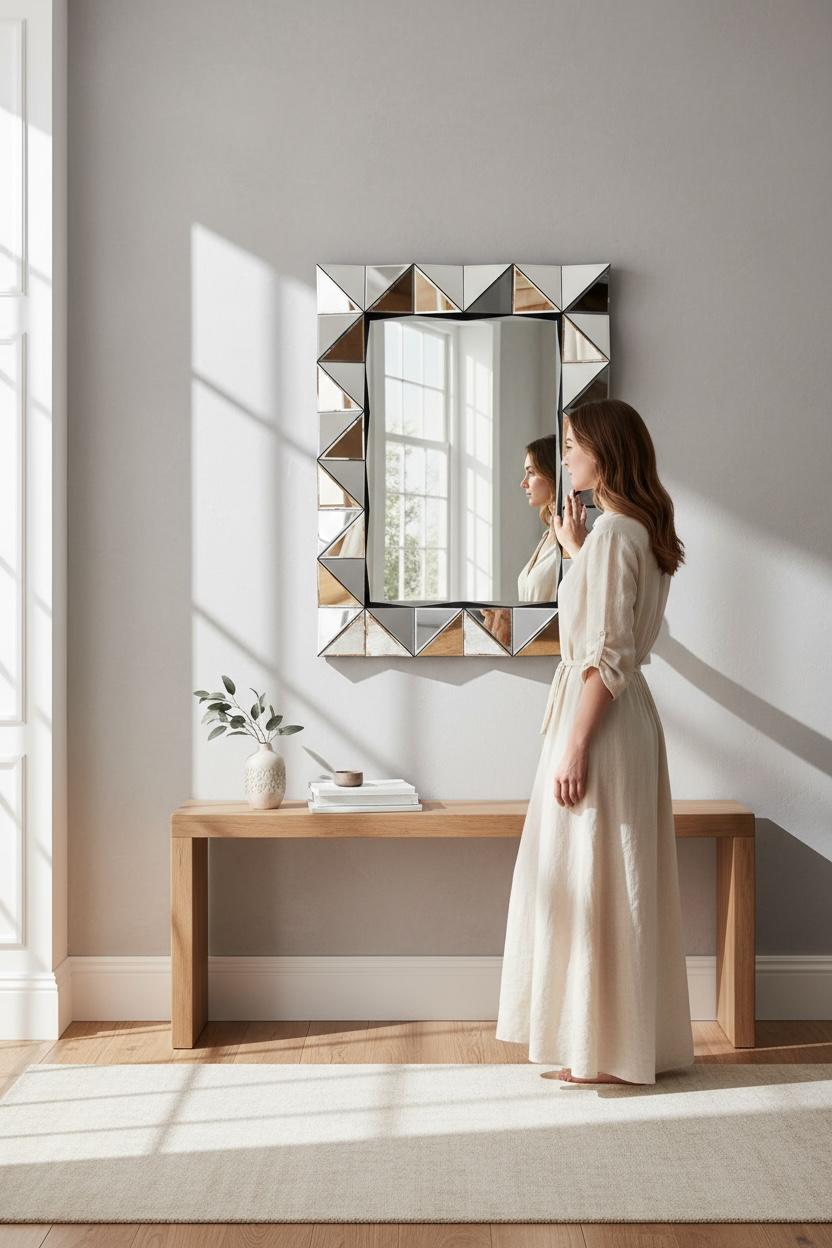
Modern Geometric Mirrors
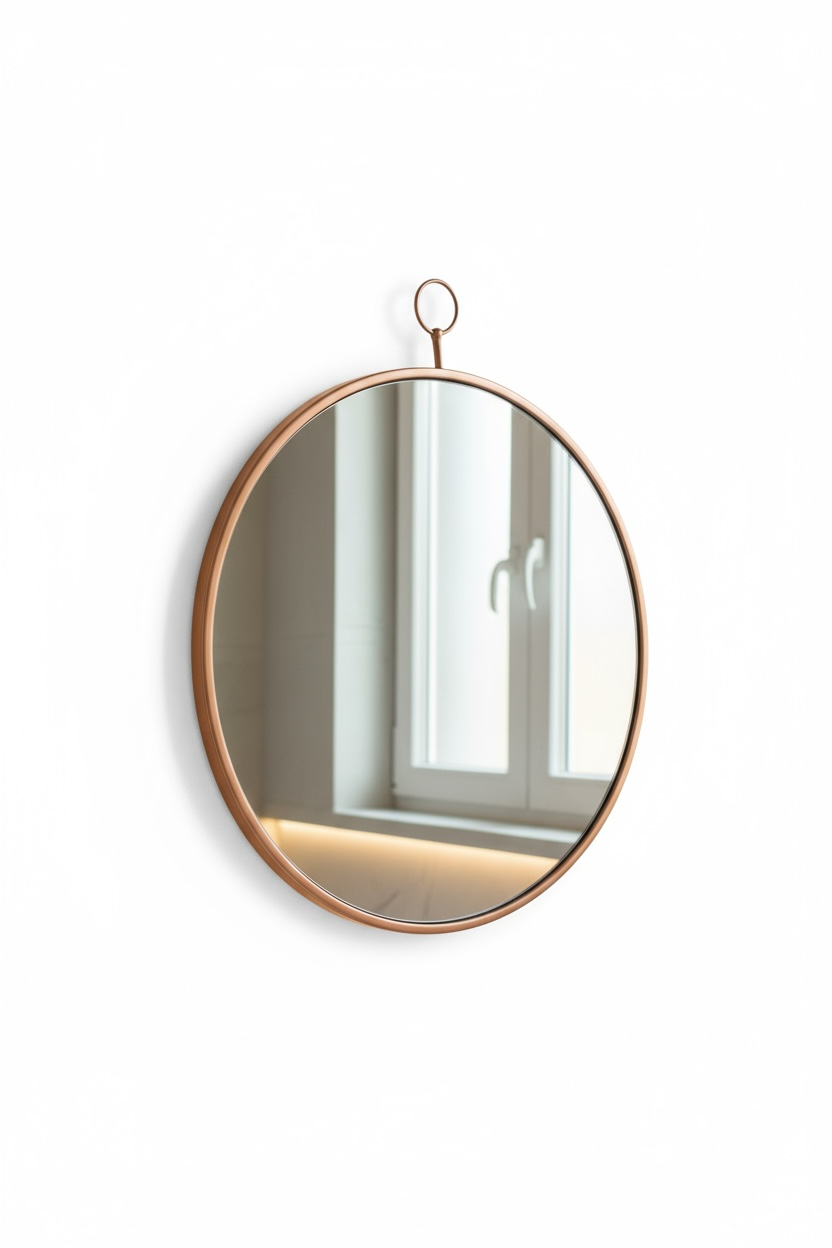
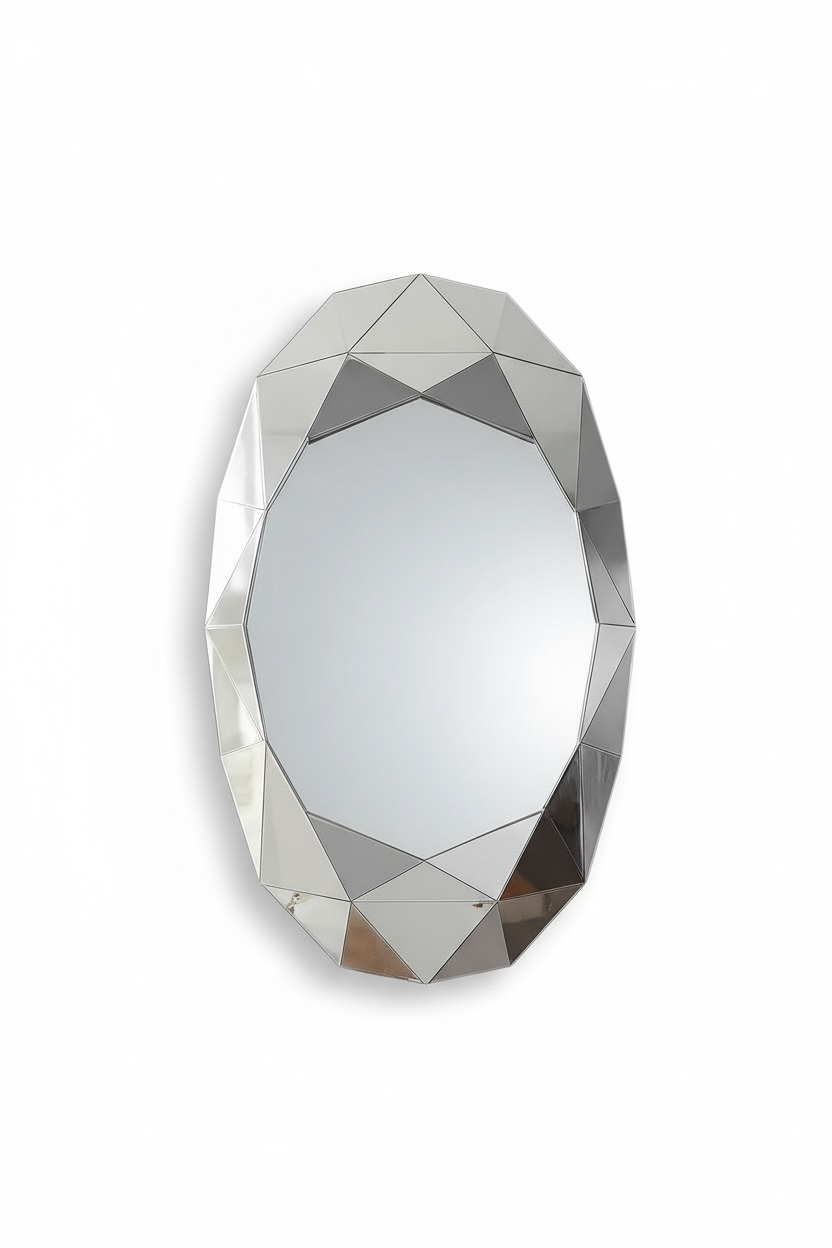
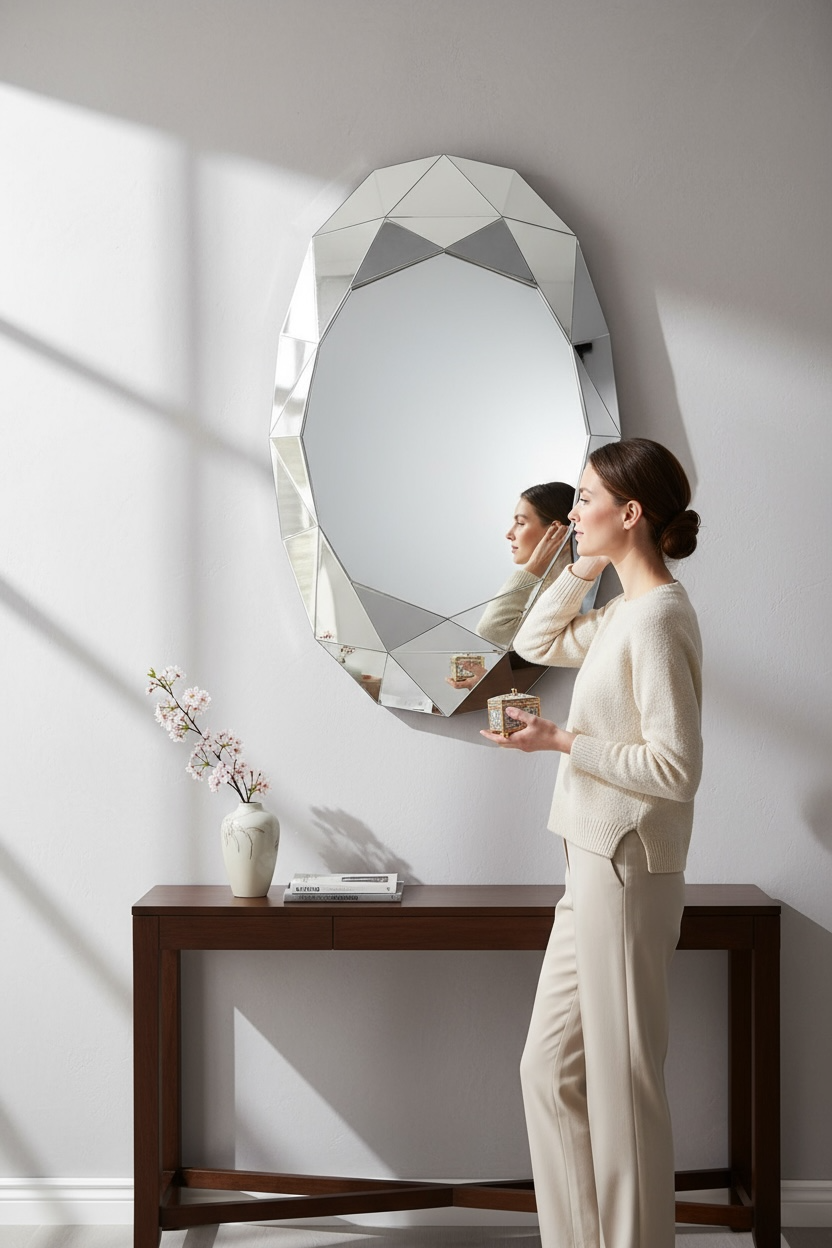
Geometric mirrors use circles, rectangles, squares, intersecting forms and structured frame details to create a more architectural appearance. They work well in contemporary interiors where proportion and symmetry are important.
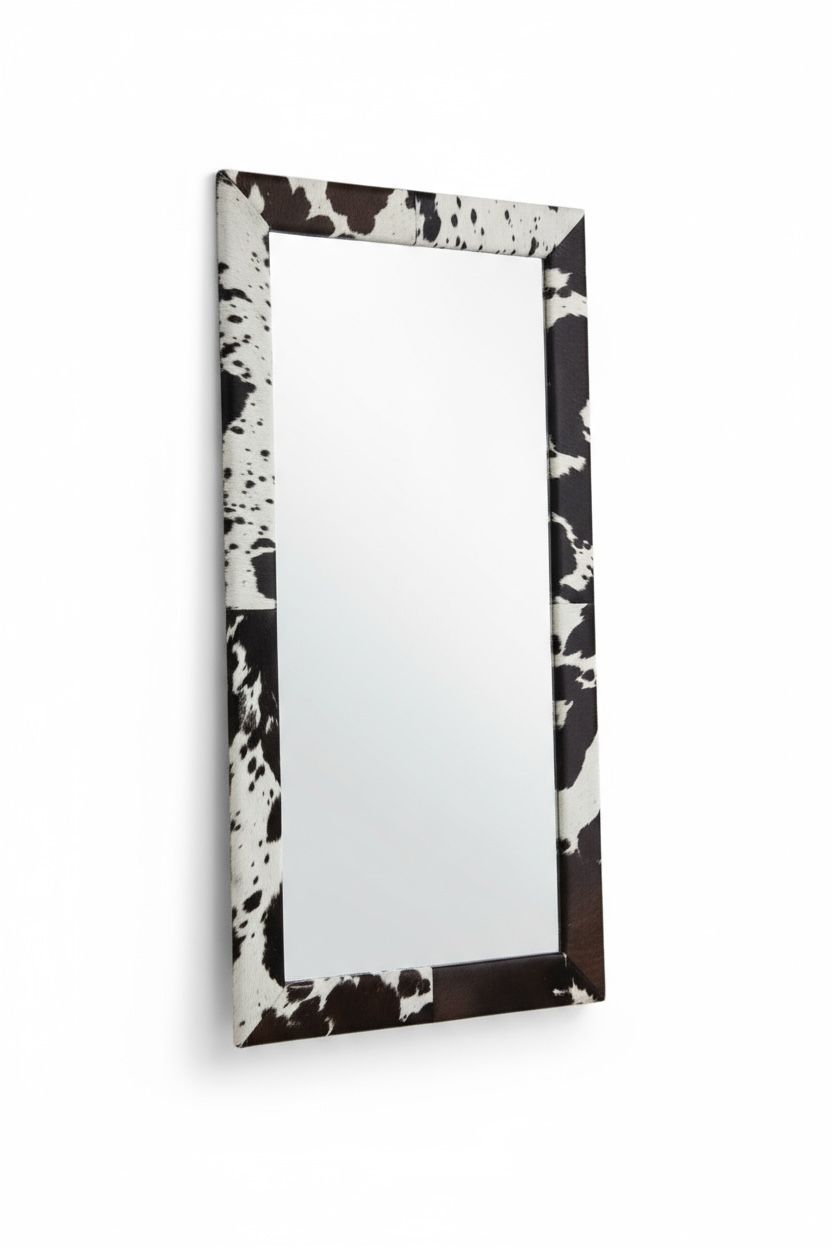
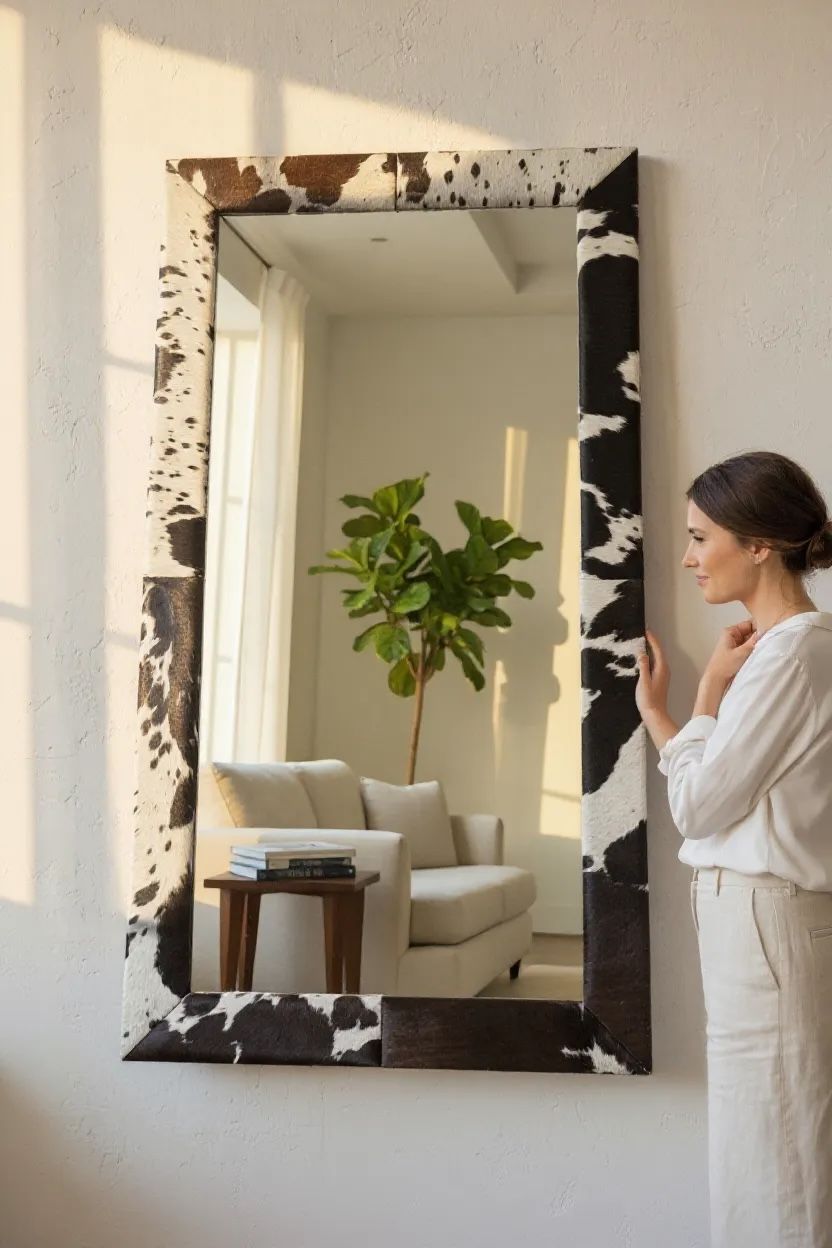
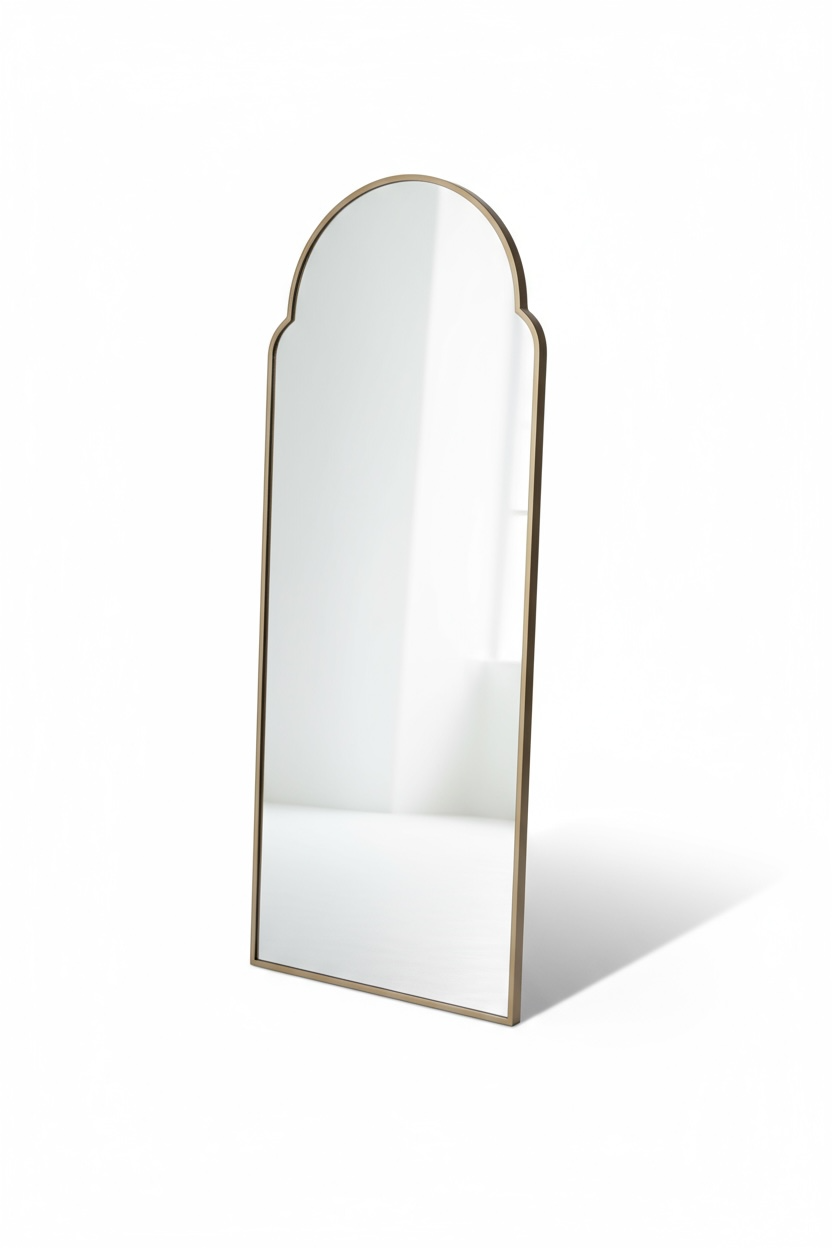
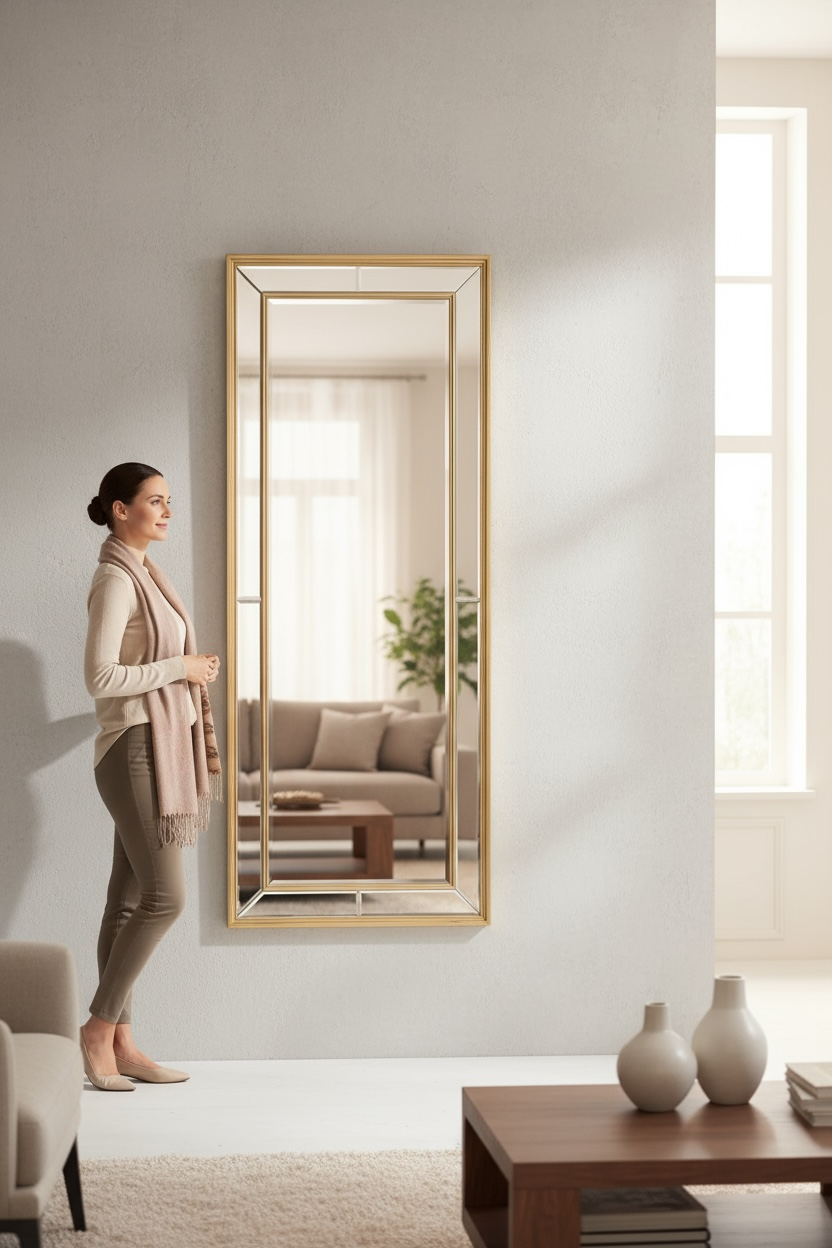
Modern Full-Length Mirrors
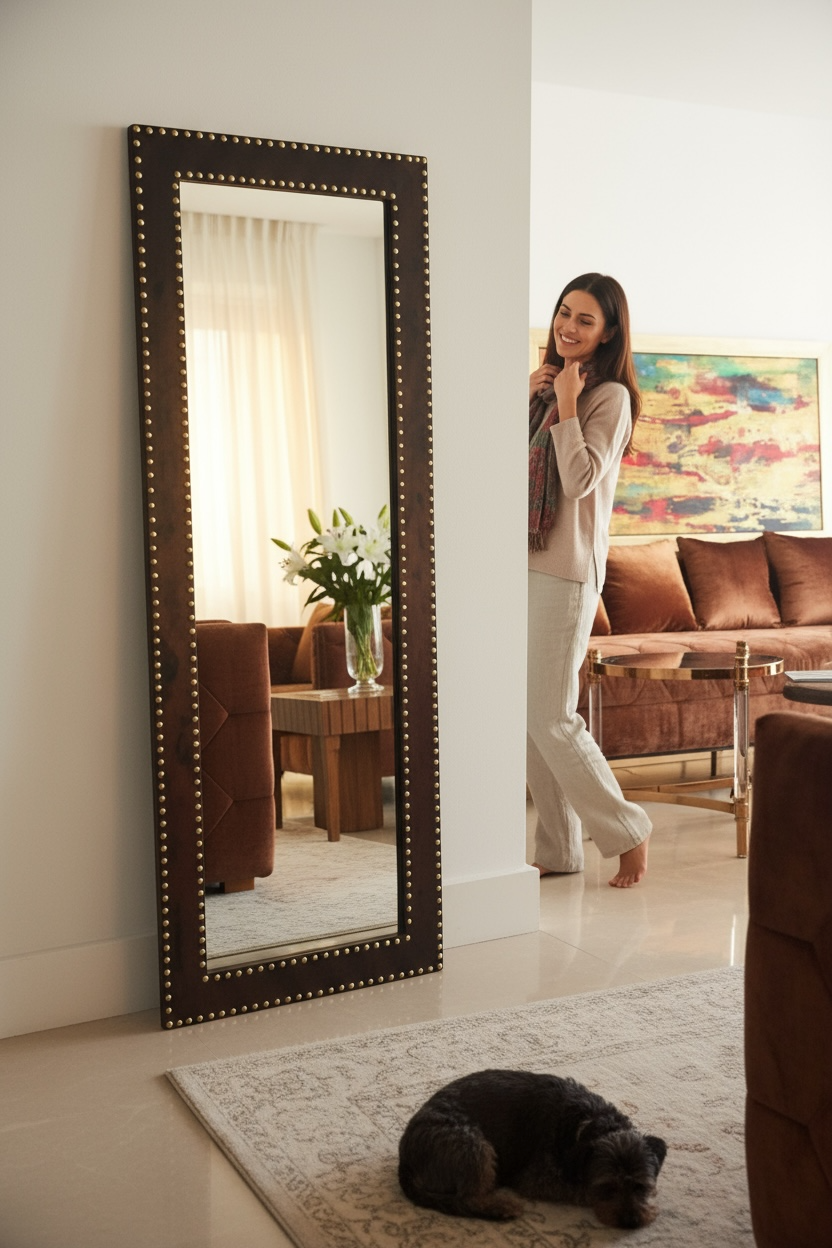
Modern Full-Length Mirrors combine practical complete-body reflection with contemporary frames and silhouettes. They are well suited to bedrooms, wardrobes, dressing rooms, retail interiors and other spaces where vertical reflection is important.
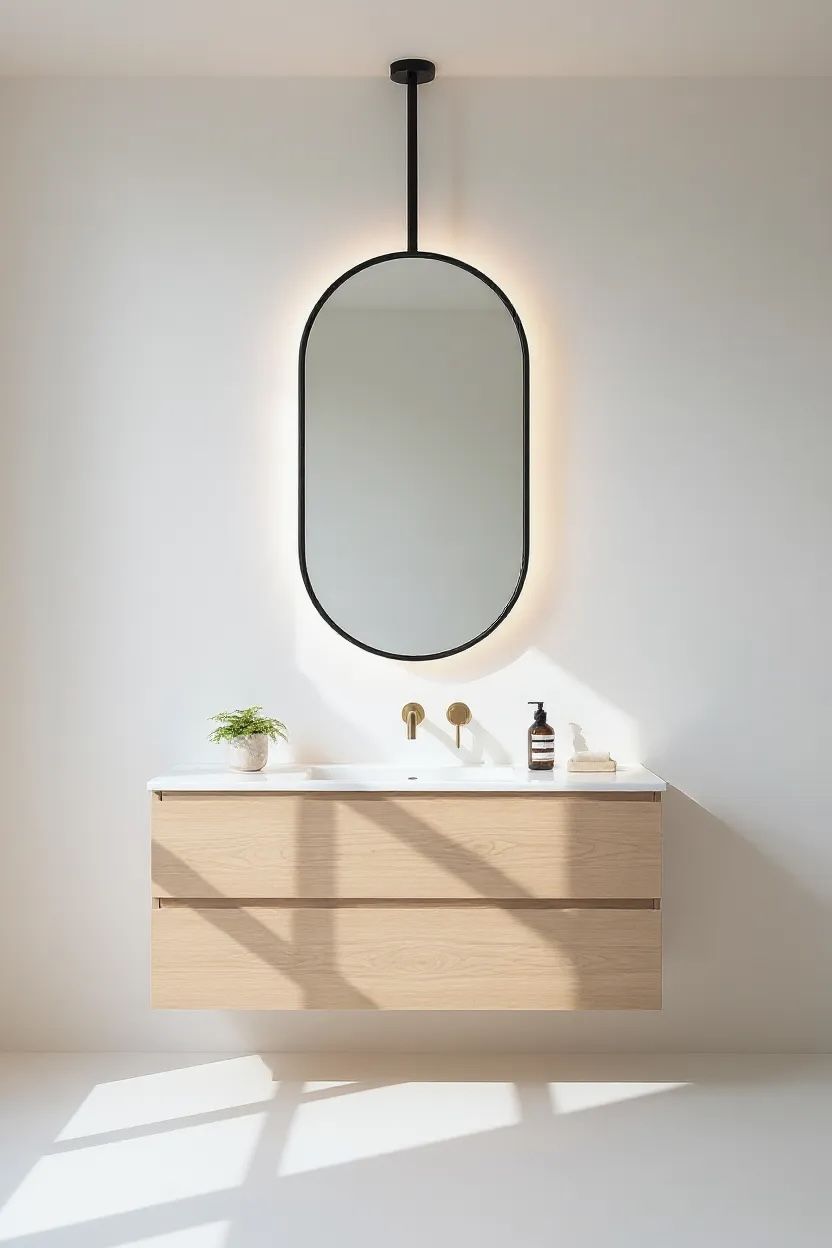
Modern LED and Backlit Mirrors
LED and backlit mirrors combine integrated illumination with contemporary design. They can provide functional lighting for grooming while creating a subtle glow that adds depth to the surrounding wall.
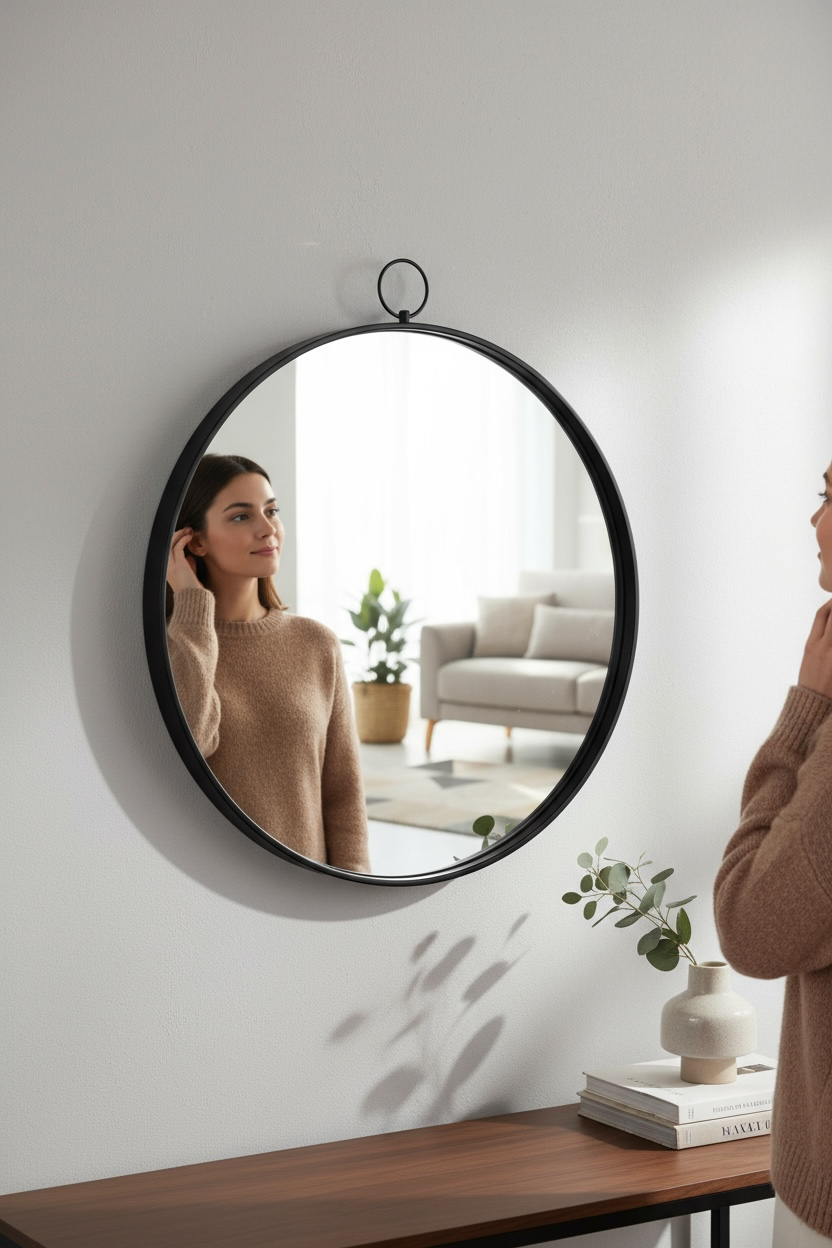
Modern Metal Framed Mirrors
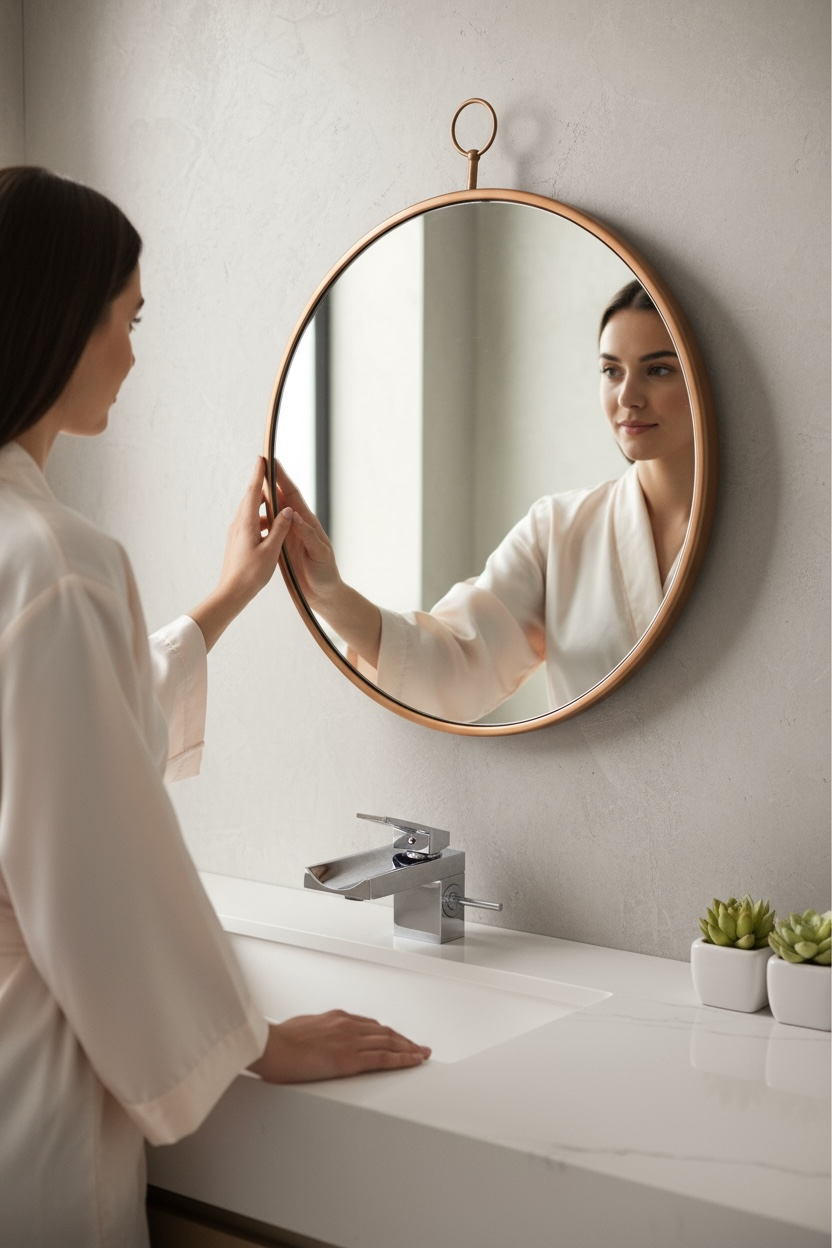
Metal-framed modern mirrors can introduce finishes such as black, brushed gold, stainless steel, bronze and PVD treatments. Their structured frames can coordinate with architectural hardware, furniture and lighting.
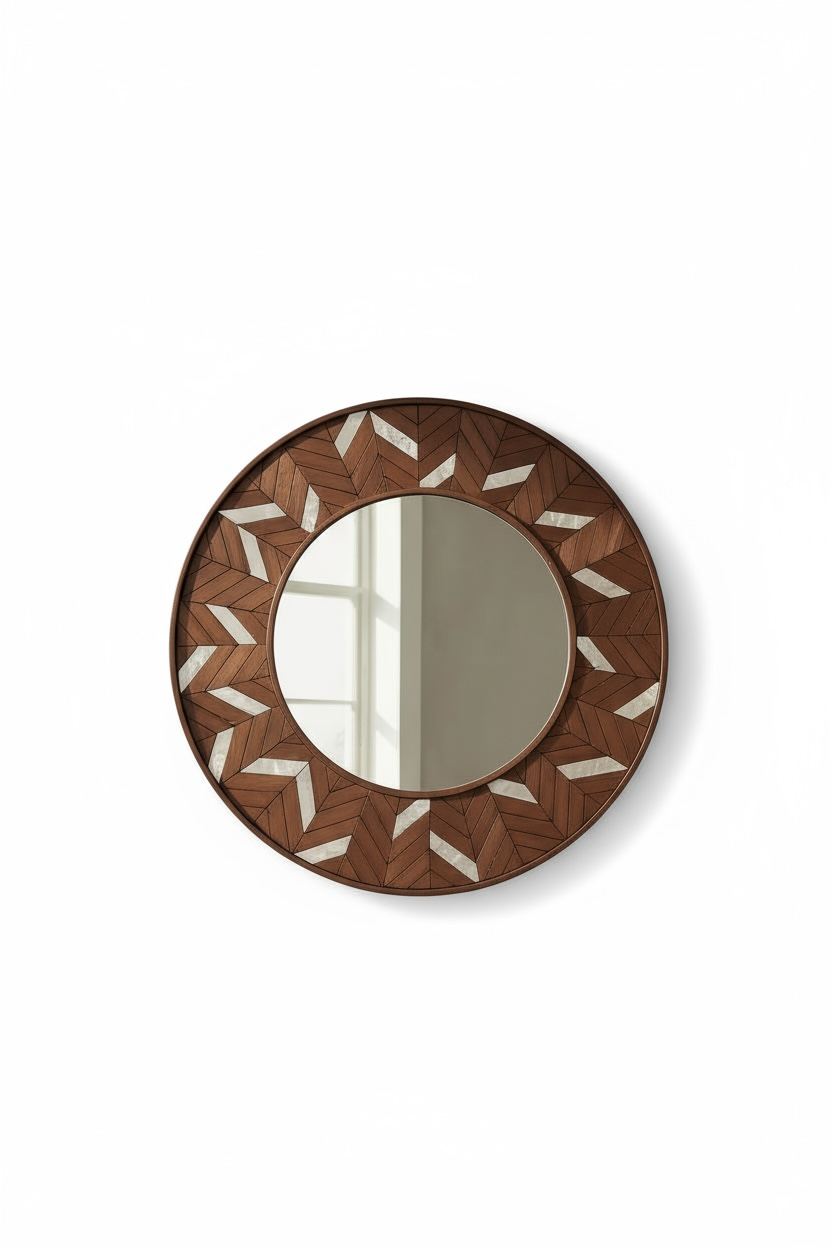
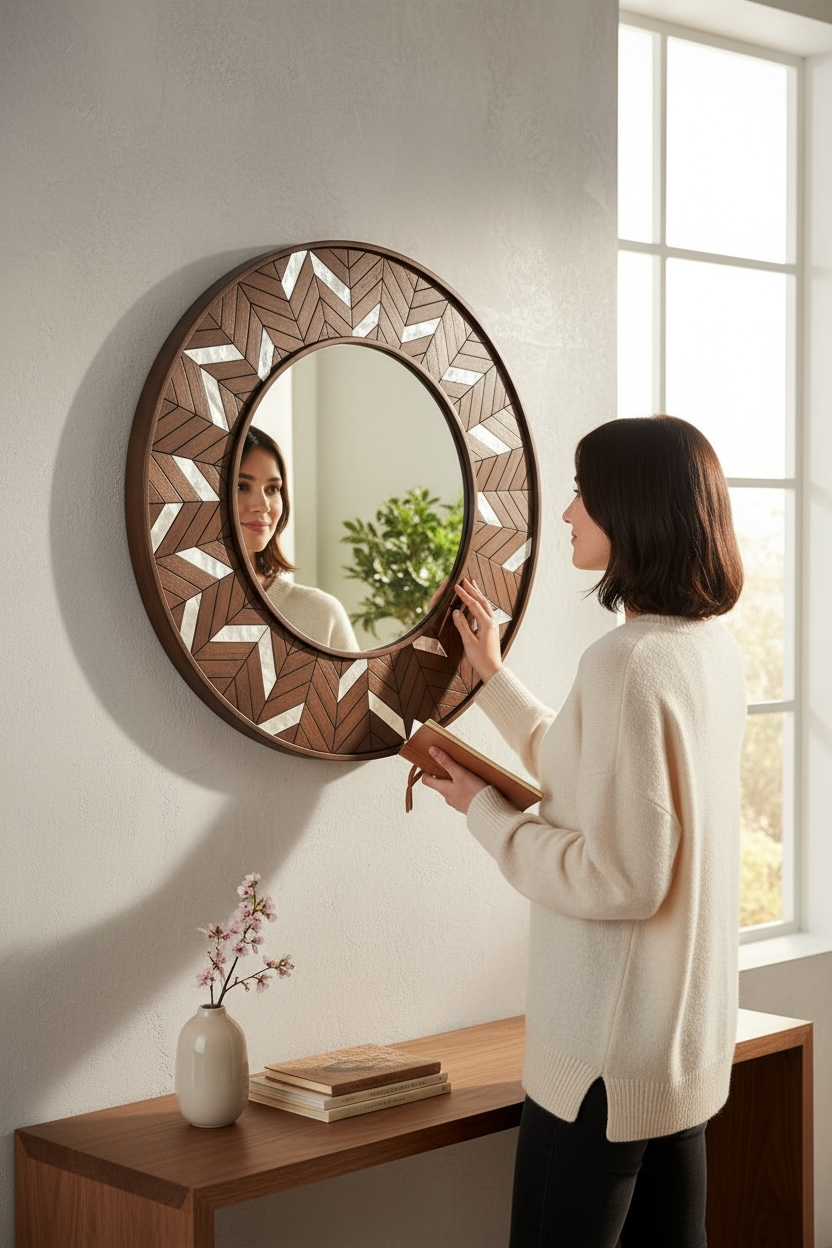
Modern Teak Wood Mirrors
Teak wood mirrors combine contemporary proportions with the warmth and texture of natural timber. They are particularly effective in interiors that use wood furniture, warm neutrals and natural materials.
Modern Decorative Mirrors
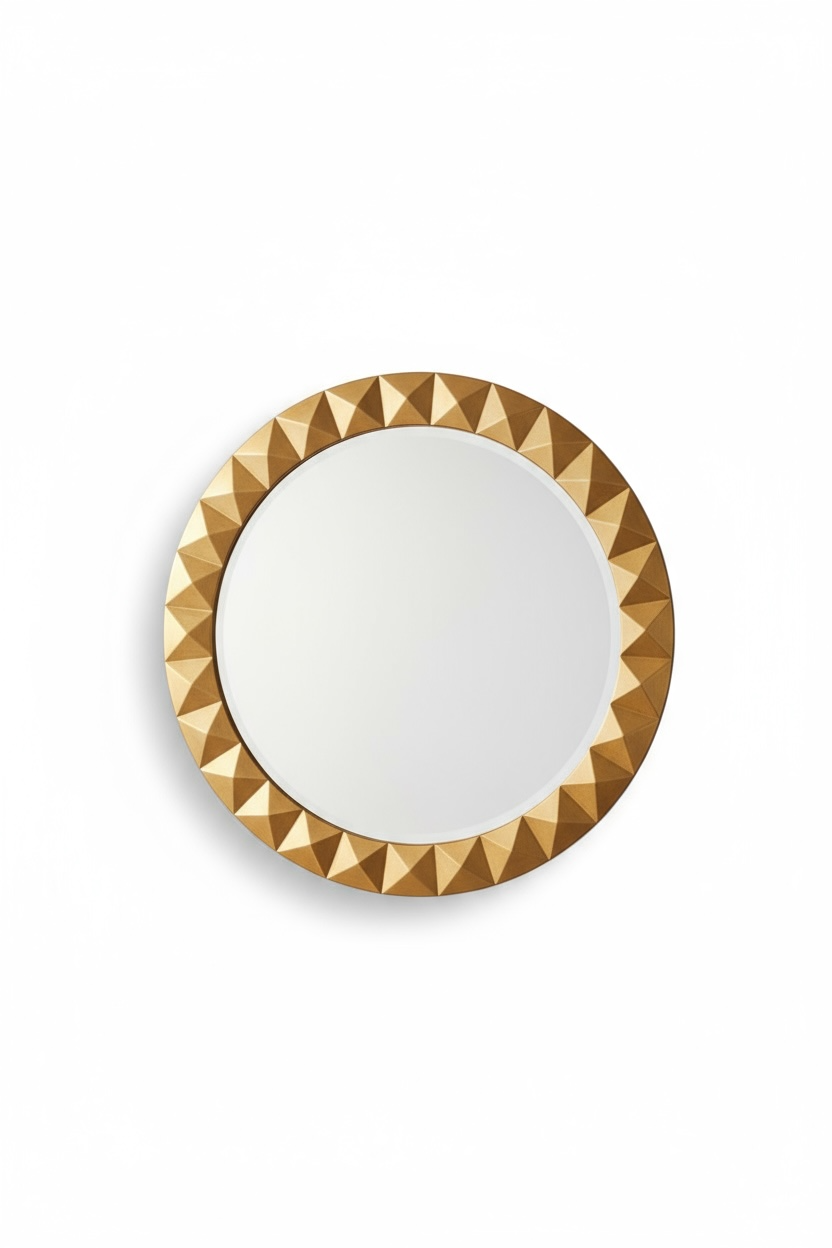
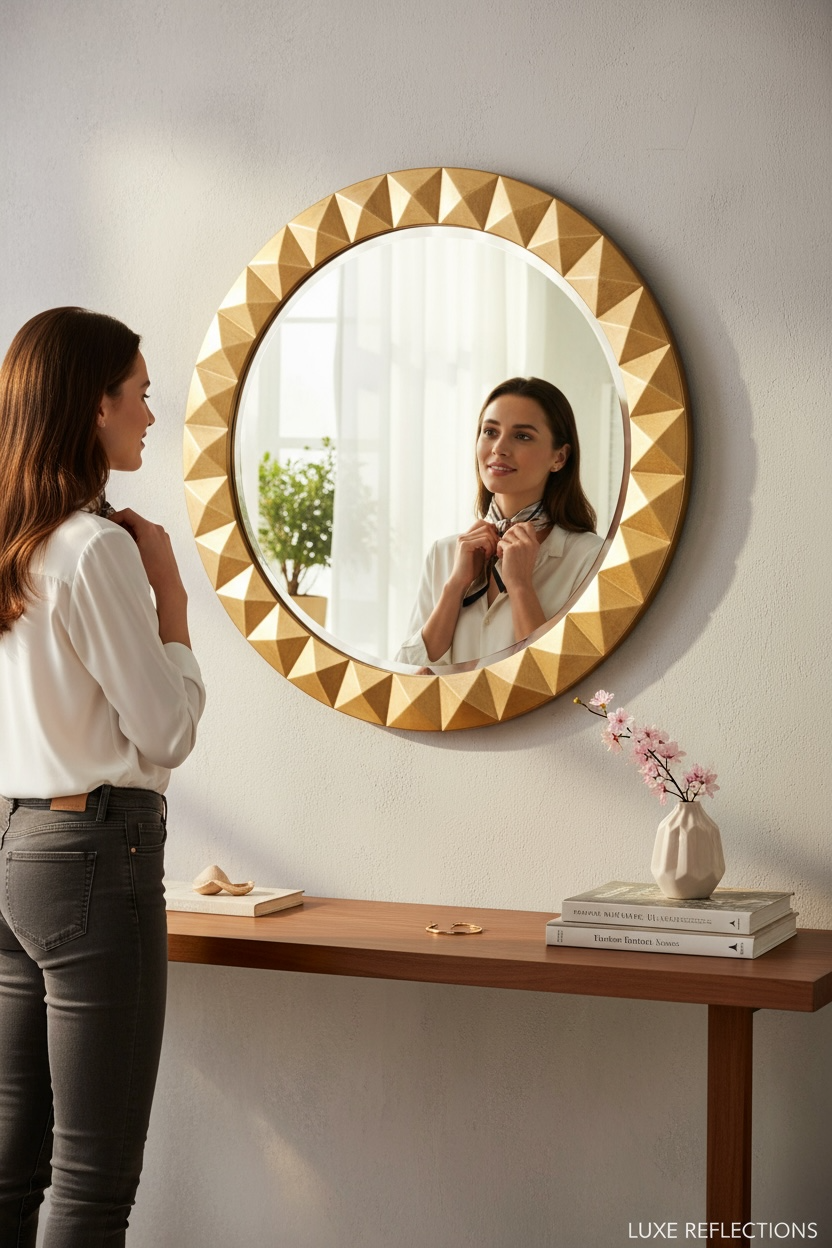
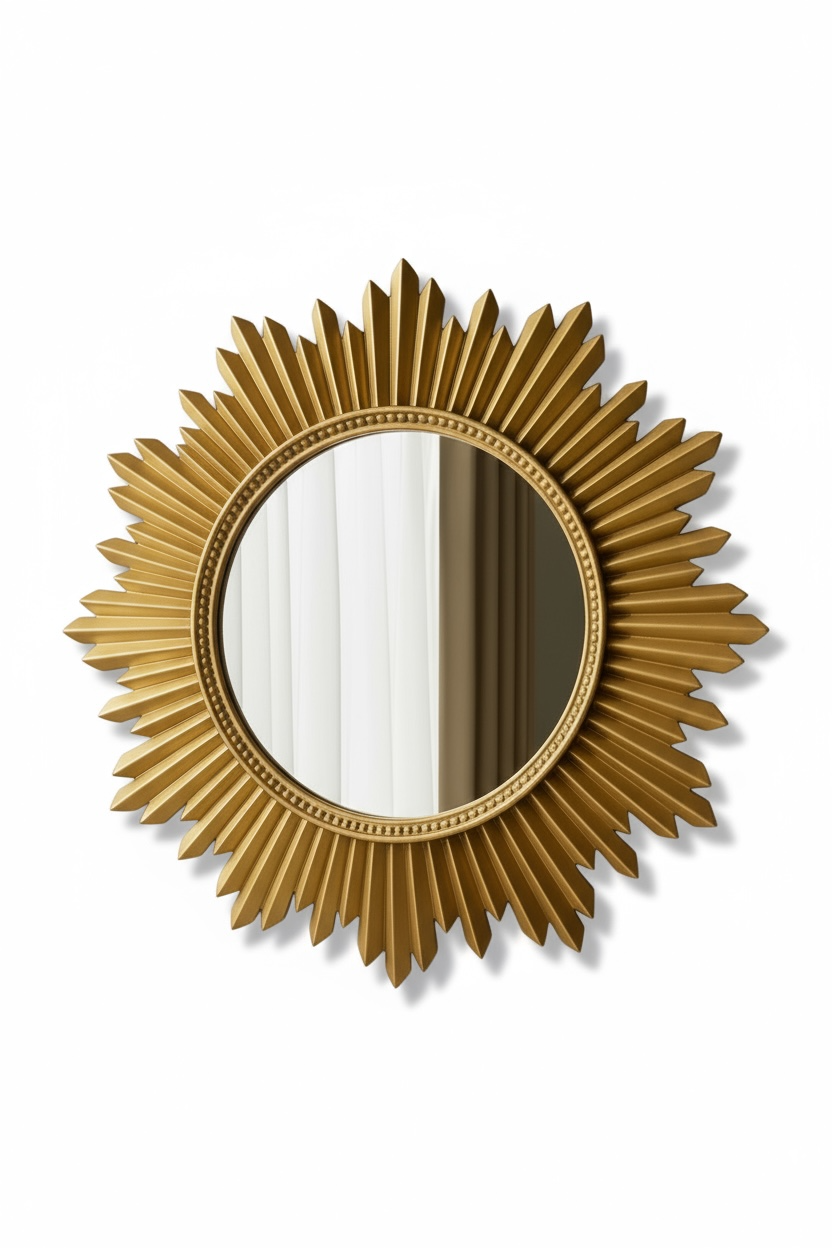
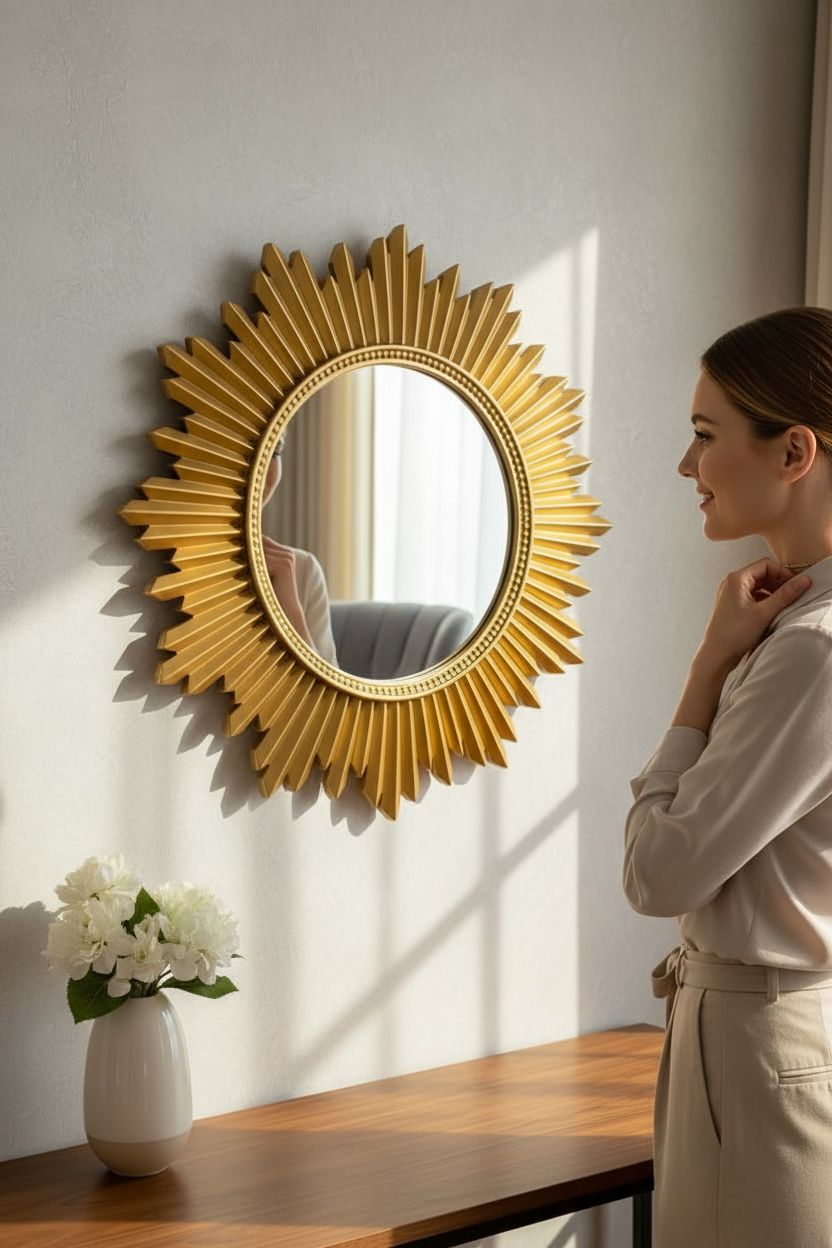
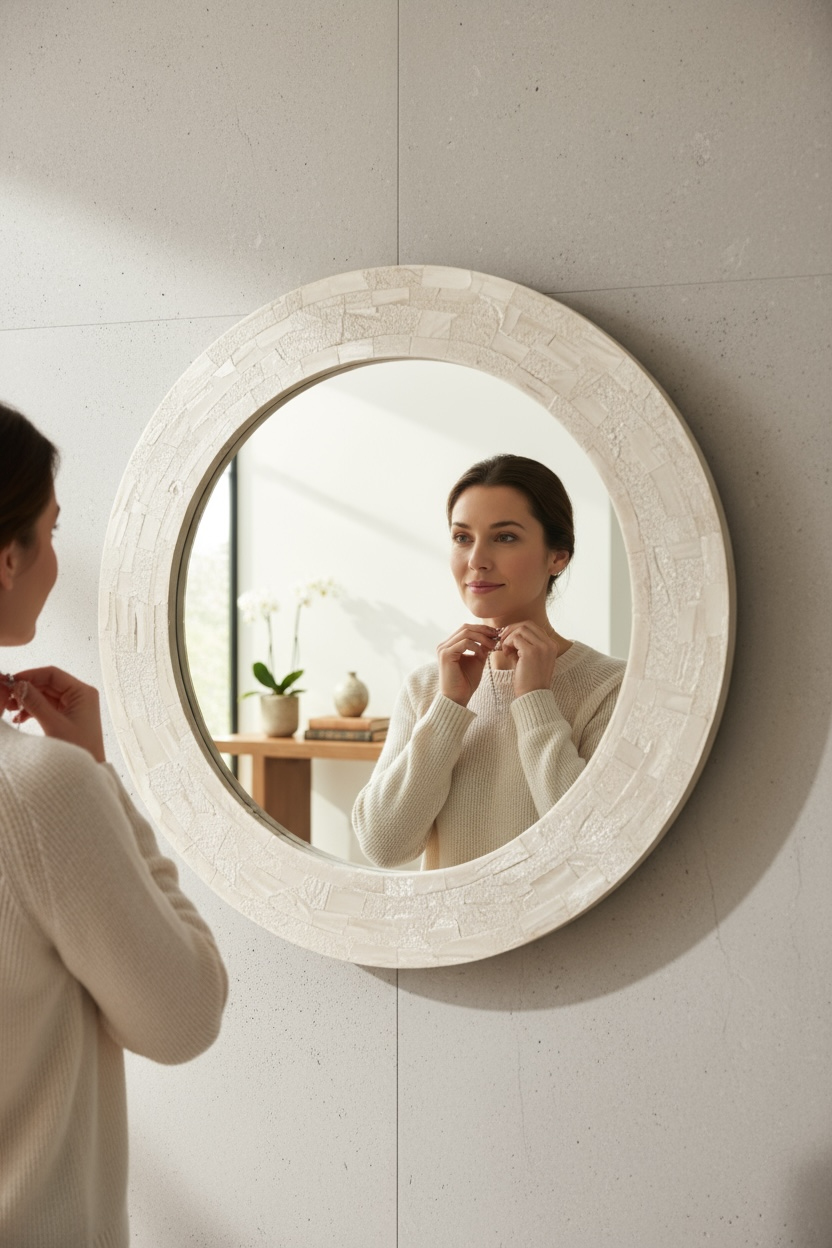
Modern decorative mirrors can incorporate layered frames, contrasting finishes, sculptural forms, Venetian detailing, Mother-of-Pearl and other decorative treatments while retaining a contemporary overall character.
How to Choose the Right Modern Mirror
The right Modern Mirror should relate to the proportions, furniture and material palette of the room. Start by deciding whether the mirror is primarily functional, decorative or intended to perform both roles.
Consider the Shape
Choose a geometric mirror when you want structure and symmetry. Organic and asymmetrical designs can soften a room and create a stronger focal point, while capsule shapes offer a contemporary middle ground.
Consider the Size
Measure the available wall area before selecting the mirror. A large statement mirror can anchor a feature wall, while a smaller design may work better above a console, vanity or compact dressing area.
Match the Frame to the Interior
Black and darker frames create contrast, metallic finishes coordinate with contemporary hardware, and teak introduces warmth. The frame should complement rather than compete with the surrounding furniture and architectural finishes.
Choose Between Decorative and Minimal Forms
A simple modern mirror can provide a quiet architectural element, while a sculptural or highly detailed frame can become the primary decorative feature. Consider how much visual activity already exists on the wall.
Consider Lighting
For bathrooms and dressing areas, an LED or backlit modern mirror can add useful illumination. For living rooms, foyers and decorative walls, a non-lighted design may allow the mirror's shape and frame to remain the primary focus.
Why Choose Modern Mirrors?
Modern Mirrors offer flexibility across different interior styles and room types. Their contemporary shapes and finishes allow a mirror to be integrated into the overall design rather than treated as an afterthought.
They can help you:
- Create a contemporary focal point
- Add visual depth to a room
- Complement modern furniture and architecture
- Introduce curves or organic forms into structured interiors
- Coordinate with metal, wood and other interior finishes
- Provide full-length reflection in bedrooms and dressing areas
- Add integrated lighting through selected LED designs
- Create a refined statement above consoles and vanities
- Balance practical function with decorative design
The variety of contemporary silhouettes also makes it possible to choose a mirror according to the character of the room rather than relying on a single standard shape.
Modern Mirrors for Indian Homes
Modern Mirrors are well suited to Indian homes, including contemporary apartments, urban residences, villas, independent houses and professionally designed interiors.
In bedrooms, capsule, organic and full-length mirrors can complement wardrobes, dressing units and upholstered furniture. In living and drawing rooms, sculptural or geometric designs can create a focal point above a console or on a feature wall.
For contemporary bathrooms, round, capsule and backlit mirrors can work naturally with modern vanities and fittings. In entry foyers, a statement mirror can establish the design language of the home from the moment someone enters.
For compact Indian apartments, carefully proportioned mirrors can make efficient use of wall space and reflect available light. In larger homes, oversized organic, full-length or decorative designs can be used as architectural focal elements.
When choosing a modern mirror, consider the existing mix of wood, metal, stone, upholstery, lighting and wall finishes so the mirror feels integrated with the rest of the interior.
Custom Modern Mirrors by Mirrorwalla
Mirrorwalla offers a broad range of Modern Mirrors for residential and commercial interiors, with designs spanning minimalist, geometric, organic, decorative, full-length and illuminated formats.
For projects requiring a particular proportion or design direction, custom requirements can be discussed around dimensions, shape, frame material, finish and selected features, depending on the design.
Custom Modern Mirrors can be especially useful for architects, interior designers and homeowners working with specific vanity dimensions, wardrobe layouts, feature walls, foyers or commercial installations.
A custom mirror can be developed to work with the architectural proportions of the space while maintaining consistency with the surrounding furniture, materials and finishes.




 Q908 Black PVD suspended backlit mirrorRegular price Rs. 26,000.00
 Q9 Black capsule suspended backlit mirrorRegular price Rs. 25,000.00


 Amazing Rectangles Decorative MirrorRegular price Rs. 22,500.00


 Round diamond edge cut decorative mirrorRegular price Rs. 16,000.00


 Diamond Cut silver decorative mirrorRegular price Rs. 17,500.00